If you have a slow or blocked drain in your home, you already know how frustrating it can be. If the drain in your bathroom sink, shower, or bathtub is blocked, you’ll probably find that the main culprit causing the blockage is hair. The good news is that there is no need to hire a plumber in all cases; with a few simple tools and methods, you can unclog the drain yourself.
In this blog, we will discuss why hair ends up clogging drains, how to identify the early signs of a clogged drain, and methods for effectively removing clogs.
Why Hair Clogs Drains So Easily?
While hair may appear to be light and harmless, it behaves radically differently when inside your drain. Unlike food and soap, hair does not break down or dissolve in water. Instead, hair tends to settle inside the pipes.
When hair travels down your drain, it becomes mixed with soap residue, shampoo, conditioner, oil, dust and other materials that combine to produce a sticky layer within your pipes. Hair strands become lodged within this sticky layer, leading to a web-like formation.
Over time, additional hair becomes caught in this web. As more hair accumulates, the clog will continue to thicken, becoming more solidified and harder to remove. This is why even a relatively small amount of hair loss can ultimately lead to significant blockage over the course of several weeks or months.
Signs Your Drain Is Clogged with Hair
Clogs caused by hair don’t typically appear instantly. Your drain will often show warning signs that a clog is developing before becoming completely blocked.
- Slow Drainage: Water takes longer than usual to drain completely.
- Standing Water: The shower floor will accumulate water around your feet that does not drain away instantly.
- Bubbling: Air trapped in the pipes creates bubbles or gurgling sounds.
- Unpleasant Odour: A buildup of hair, soap, and bacteria causes odour.
- Backups: Water will back up instead of properly flowing out.
When you start to see these signs, take action immediately. If left unattended, they will develop into a serious issue.
Tools You Need to Remove Hair from a Drain
You certainly do not require high-priced tools. You can usually clear drain clogs with everyday products you probably already have in your own home. You will require an expandable drain snake or a pliable instrument for unearthing hair from a drain or pipes.
- A plunger
- Baking soda and vinegar
- Boiling water to break down grease and soap residue
- Rubber gloves for hygiene and safety
- Screwdriver to remove the drain cover
Optional items such as an old toothbrush, a wire clothes hanger, etc, can be used as tools to retrieve items from the drain or pipes that may be blocked, especially if you can’t reach the area directly.
How to Clear Hair from a Drain (Step-by-Step Method)
Remove the Drain Cover and Check the Surface
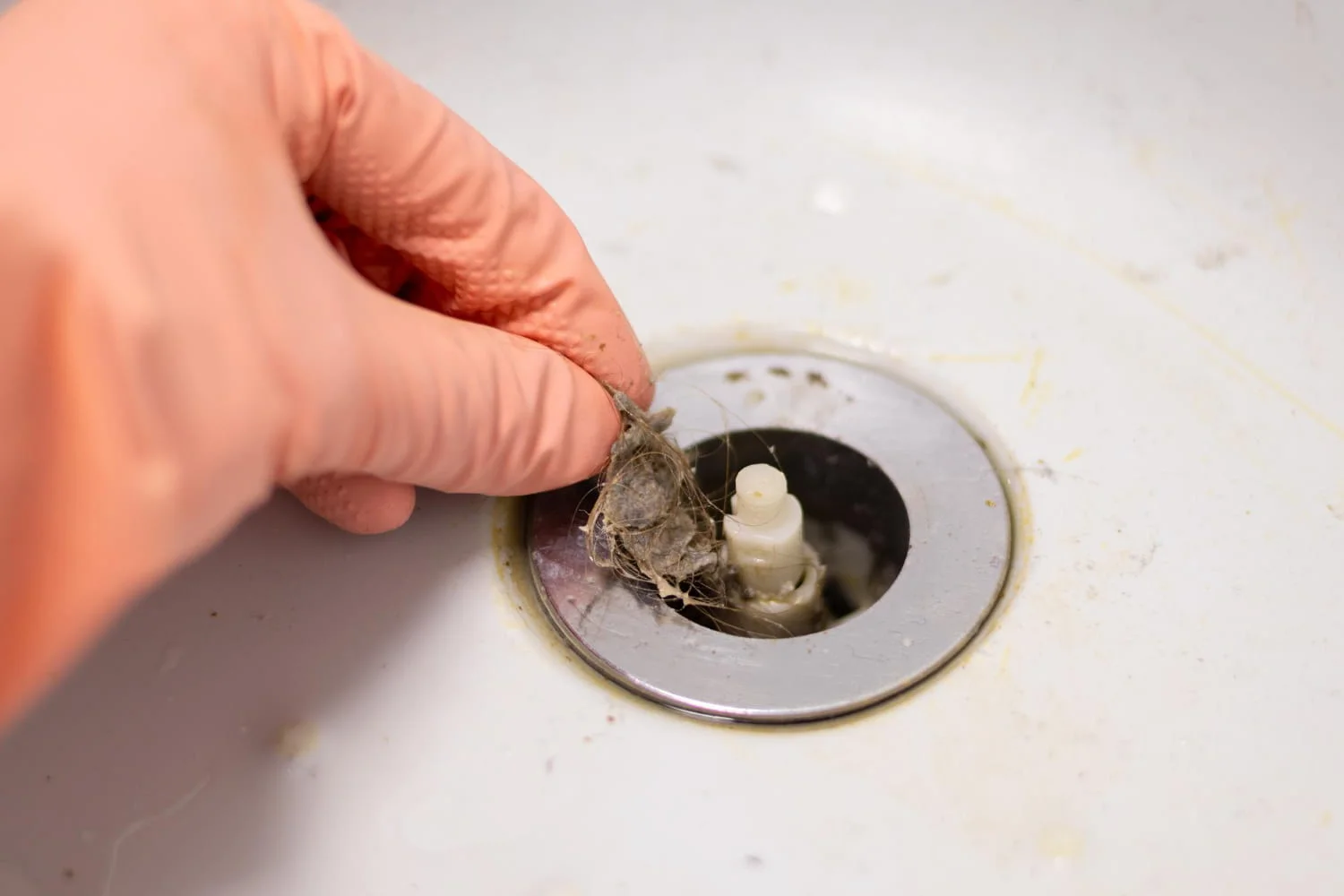
Begin by taking off the drain cover. Most often, you’ll see hair on the top of the drain. Remove it with your fingers or a piece of tissue, wearing safety gloves. This small action can significantly improve drainage.
Use a Drain Snake or Hair Removal Tool
The next step is inserting your tool into the drain. Gently twist it to catch the hair. Then slowly remove it from the drain. The hair will likely be a large clump of hair mixed with soap residue, the cause of the blockage.
Do this step several more times until you stop getting debris from the drain.
Flush with Boiling Water
After you remove any visible hair, pour boiling water in the drain in sections. This will help to melt any soap scum and grease that are holding the remaining debris together; it should also clear off any small amounts of residue stuck to your drain pipe walls.
Use Baking Soda and Vinegar
To clear milder to moderately sized clogs, a natural and effective approach is:
- Add ½ cup of baking soda into the drain
- Follow with ½ cup of vinegar
- Let the mixture fizz for about 15-20 minutes
- Flush with hot water
This will help disintegrate any buildup, as well as freshen up the drain.
Try a Plunger for Deeper Clogs
In the event of clogging deeper in the pipe:
- Fill the sink/tub with enough water to submerge the plunger.
- Place the plunger over the drain hole and push/pull it a few times.
- Doing so will create enough pressure to dislodge or force the clog down deeper.
Use a Wire Hanger
In the absence of a drain snake, a wire coat hanger can be straightened and hooked into the drain and carefully pulled to remove hair, etc., from the drain.
Repeat the Process if Needed
Be prepared to use more than one type of tool (e.g., snake + hot water + baking soda) when attempting to clear a clog.
How to Prevent Hair from Clogging Your Drain?
Cleaning a clogged drain is harder than preventing one. The key to prevention is a few simple habits that can make a difference:
- Use a hair catcher or drain cover to catch any hair before it goes in
- Clean the drain out weekly to prevent buildup
- Brush your hair out before you shower so you have fewer stray hairs
- Regularly flush the drain with hot water to keep the pipes clean
- Remove visible hair as soon as possible instead of letting it build up
With these simple steps, you can save yourself time, effort, and frustration.
When to Call a Professional Plumber?
There can be many problems causing a blockage in your drain that require the help of a professional to fix. If you experience any of these symptoms, you should contact a plumber:
- A blockage completely prevents water from flowing through, and nothing else is working to remove the blockage.
- The same blockage has returned numerous times.
- You have had multiple drains in your home that have been blocked.
- You have heard loud or strange noises coming from your drains.
- You have had a strong or constant smell coming from your drains.
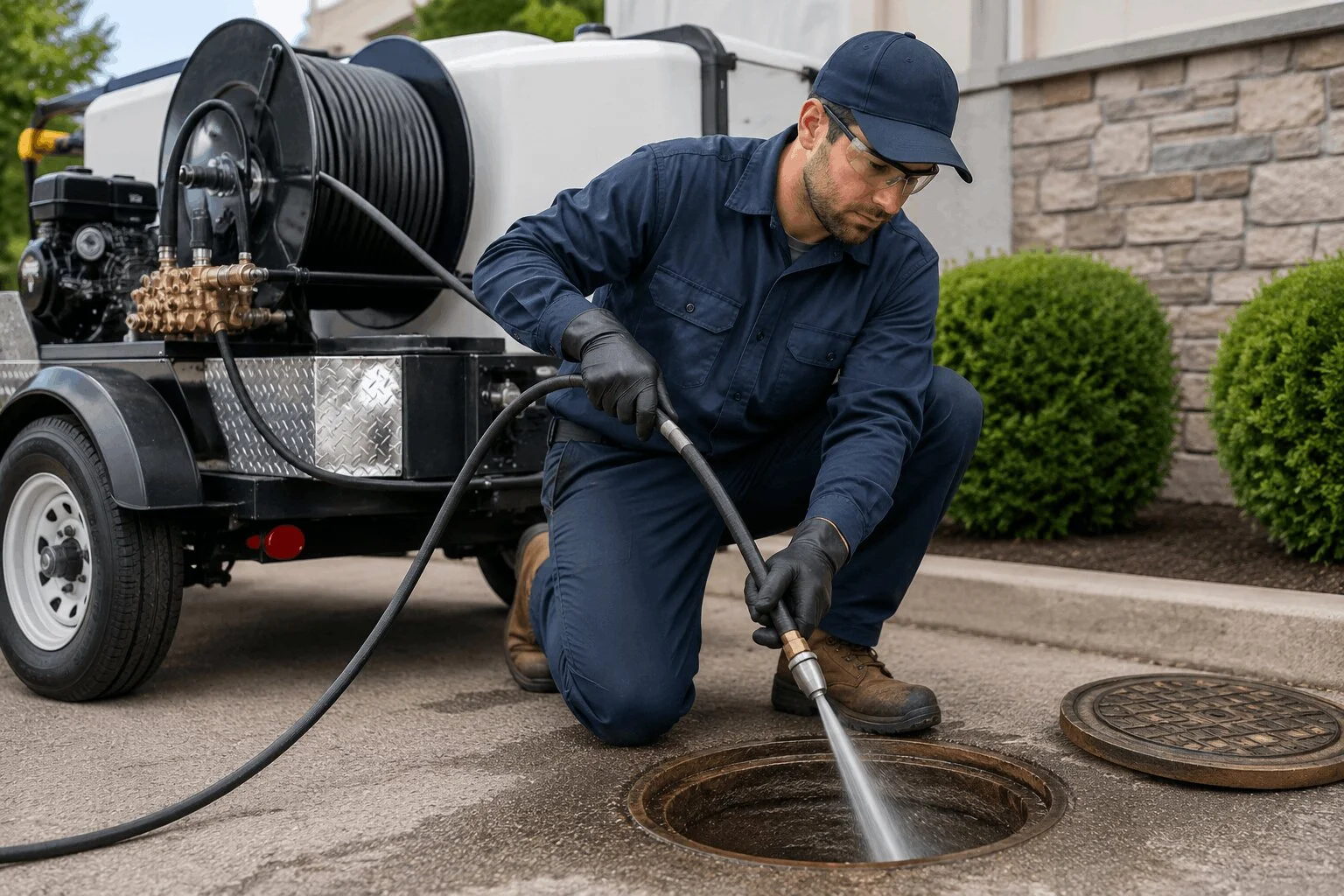
If you notice any of these warning signs, it is possible that there is a more serious issue with your plumbing system, and you should contact an expert.
Final Thoughts
Hair clogs are a frequent issue for most people, but they can also be avoided. With some awareness and maintenance, you can keep your drain system clear of hair clogs and running efficiently.
The main point is to take action quickly, utilise the appropriate techniques, and create good habits to prevent future accumulation of hair in drains. A few minutes of effort can save you from a messy and frustrating situation later.