A septic tank is a vital wastewater treatment system commonly used in locations where properties are not linked to a public sewer network. It treats and controls wastewater directly on the property, making it a practical and convenient option for homeowners. But before installing or upgrading a septic tank, many people wonder whether planning permission is required.
In this blog, we’ll explain this in simple words and guide you through everything you need to know about planning permission for a septic tank.
What is a Septic Tank?
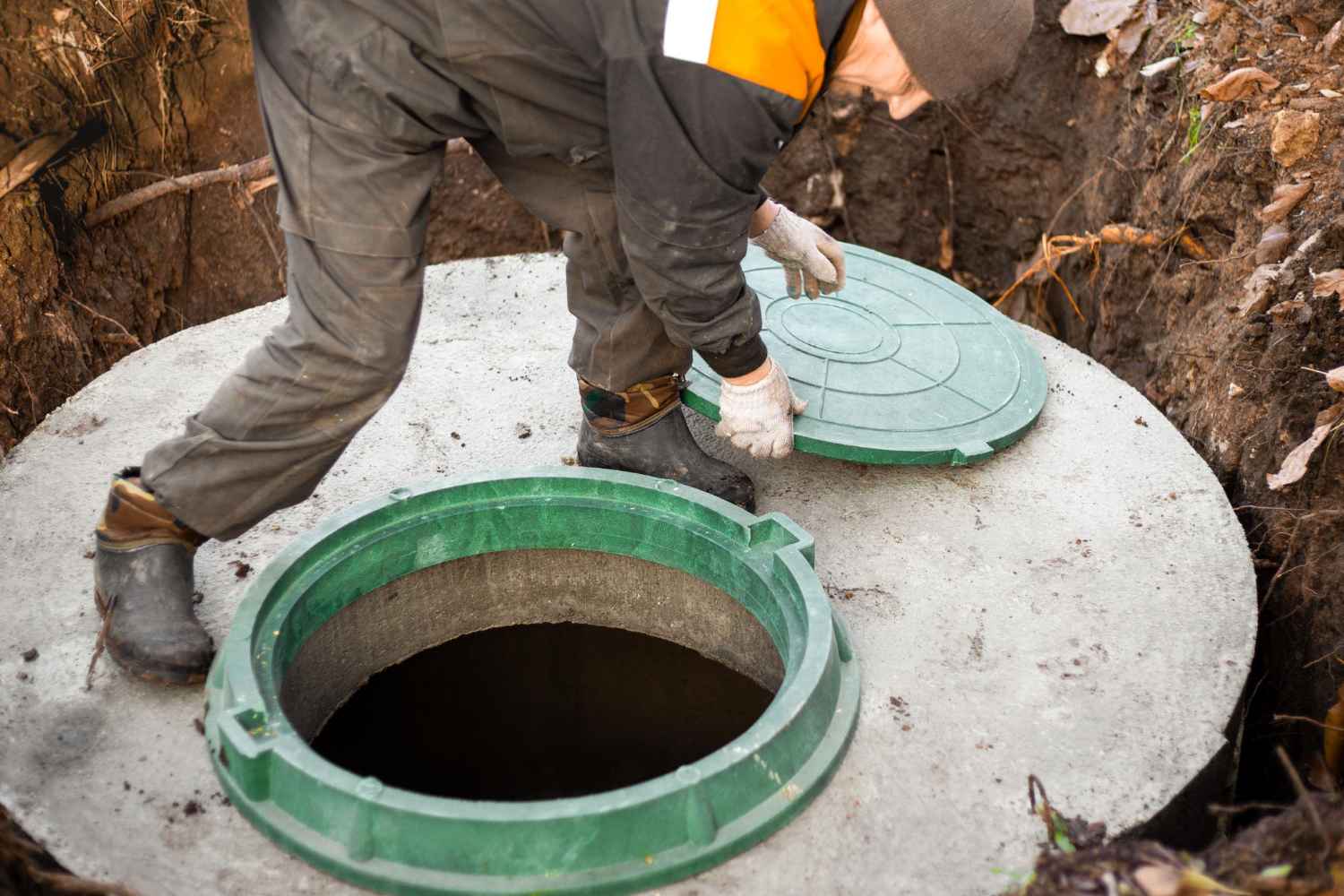
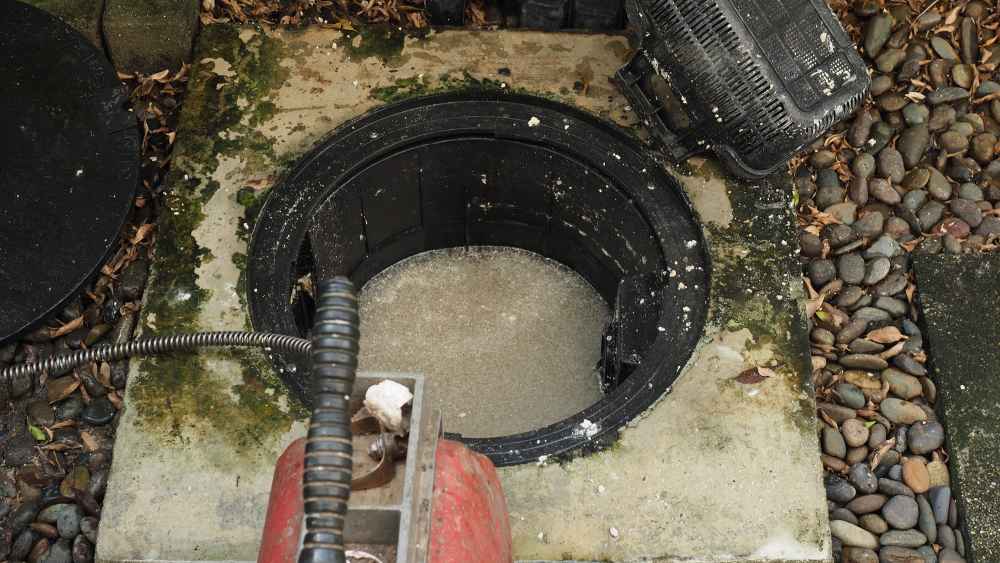
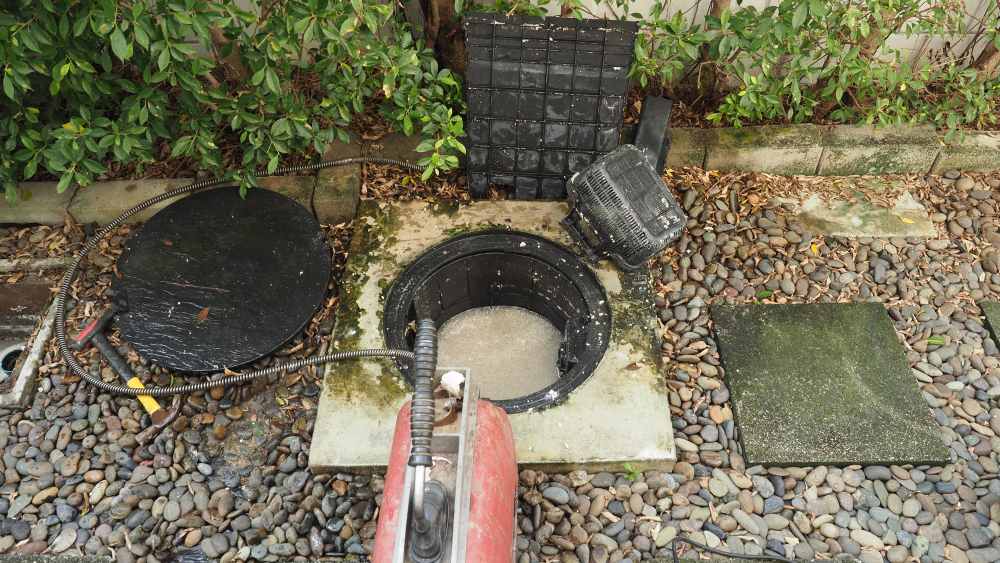
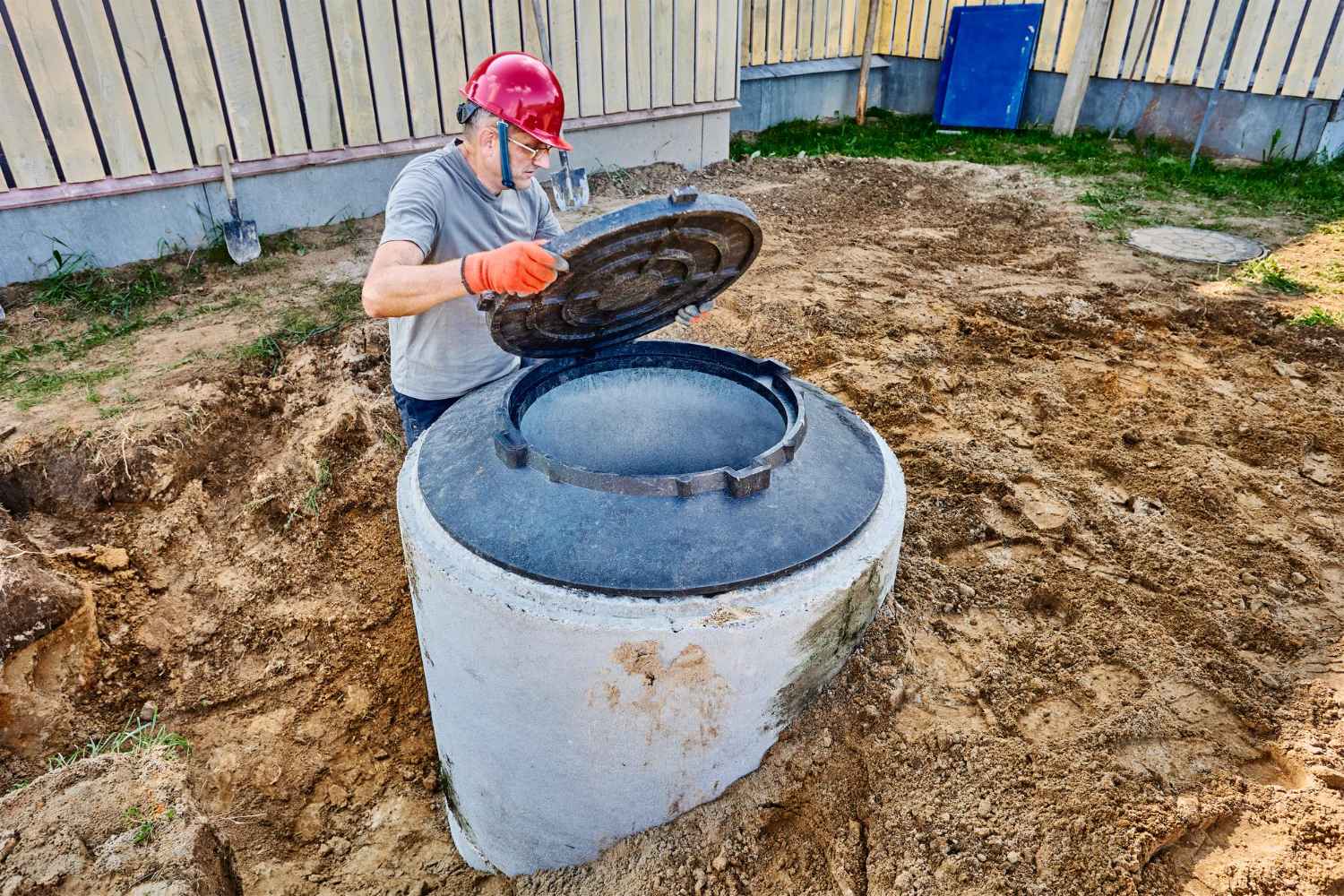
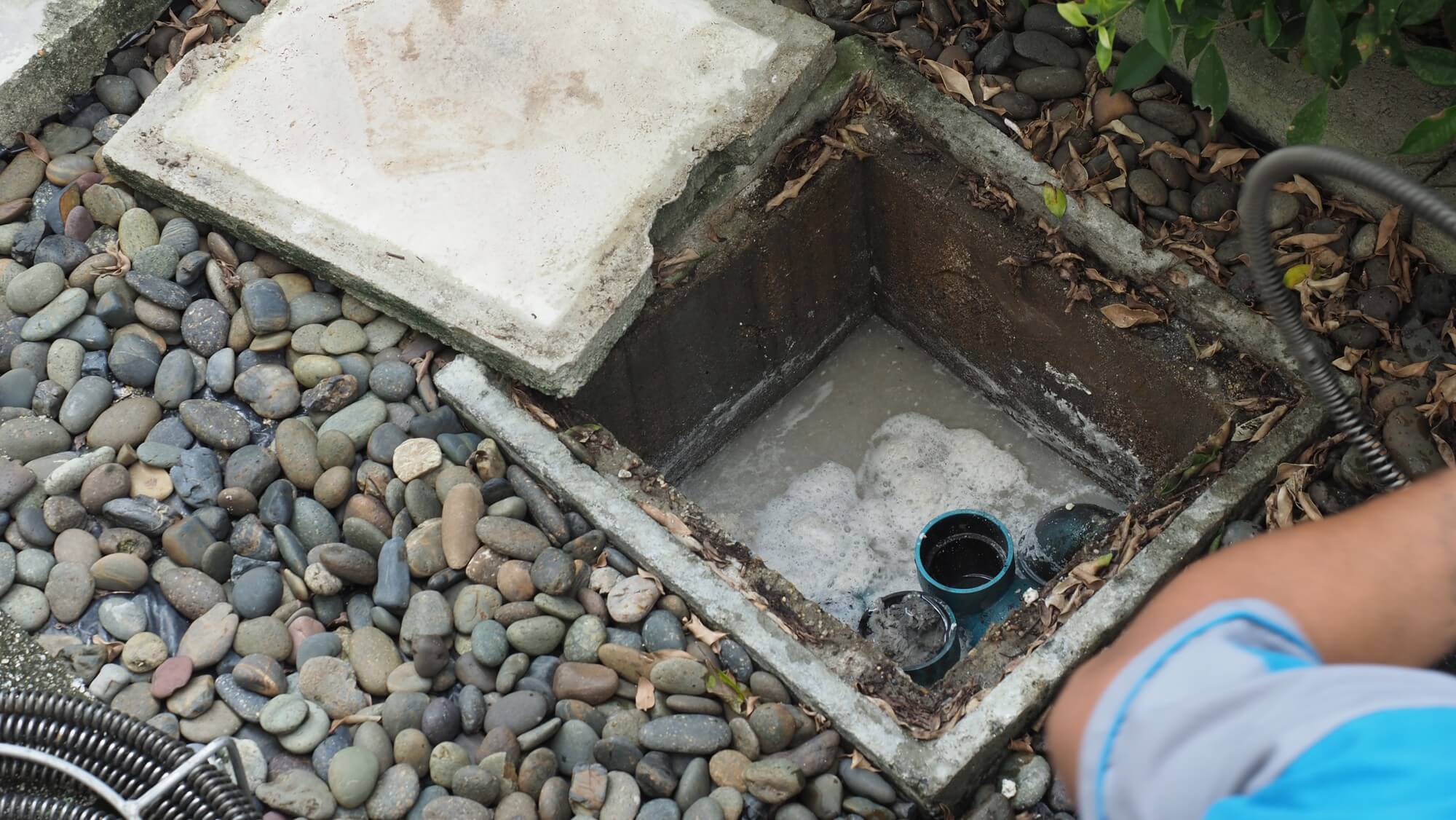
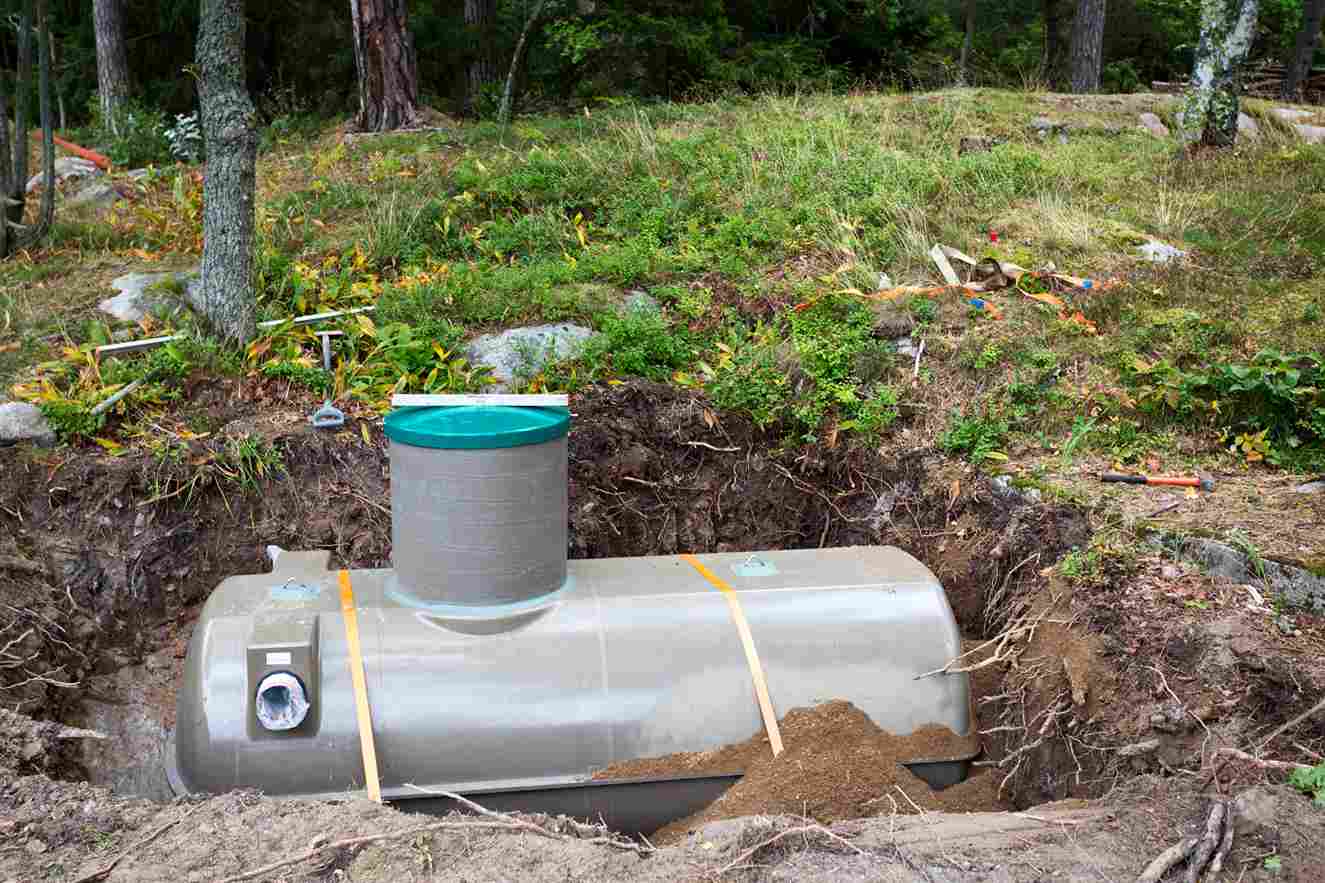
A septic tank is an underground system designed to collect and treat household wastewater before releasing it to a drainage field.
Here’s how it works:
- Wastewater from sinks, showers, and toilets is directed into the septic tank.
- Solids separate and collect at the bottom of the tank as sludge.
- Grease and fats float to the surface, creating a scum layer.
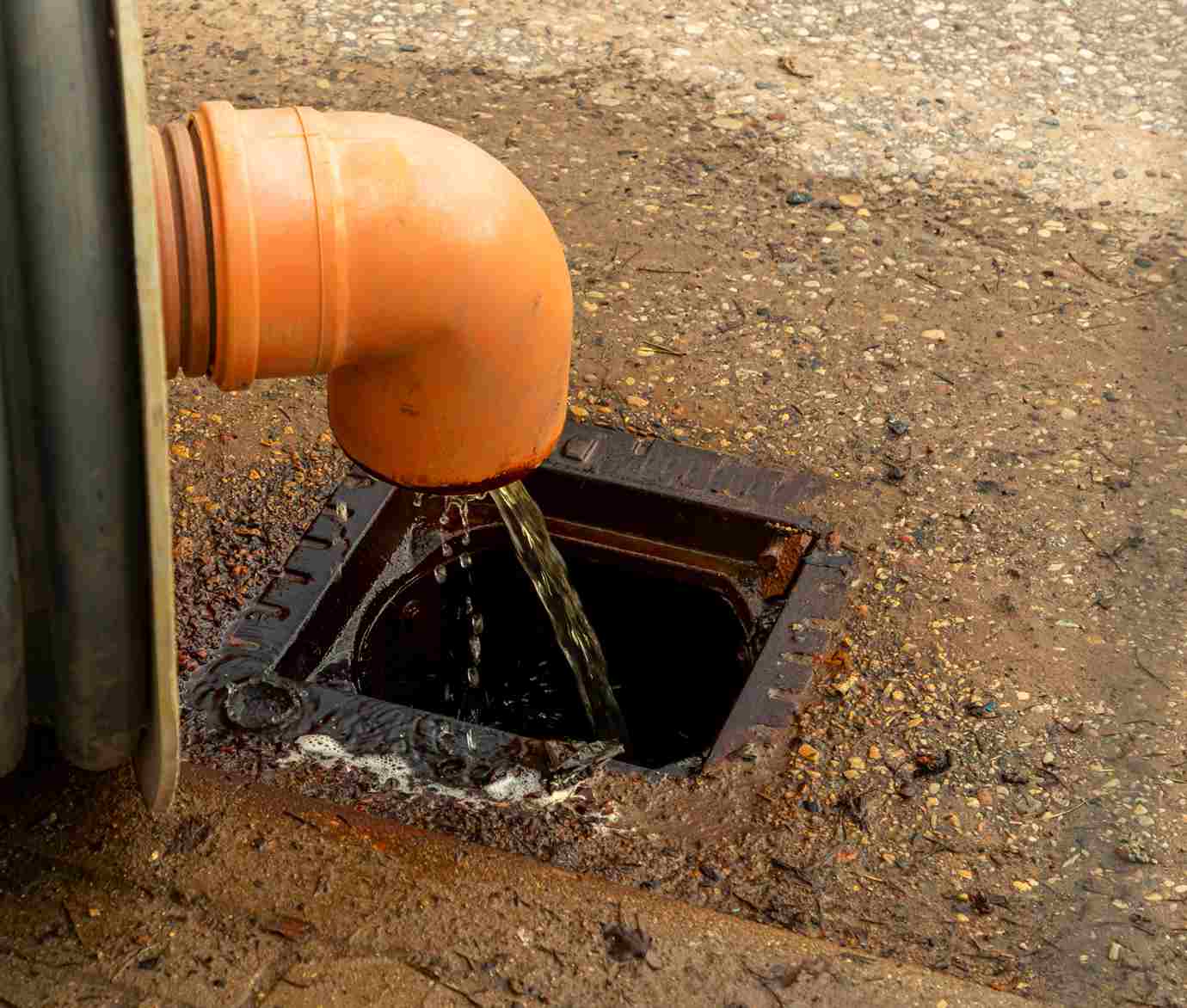
- The clearer liquid in the center exits the tank and moves into the drainage field, where it gradually filters into the soil.
This process helps manage waste safely without being concerned about a city sewer line.
Is Planning Permission Required for Septic Tank Installation?
Planning permission is an official permit from your local council that allows a specific construction or installation work on your property.
This is issued by the local authority to ensure that your project meets all safety standards, does not violate any laws, and will not endanger other properties or the local environment.
For some installations, you must get permission. For others, you may not need it. Septic tanks fall somewhere in between, which is why it gets confusing. Below, we have discussed this in detail.
When Approval is Definitely Required?
You will almost always need planning permission if:
- The septic tank will discharge into a water source, such as a stream or river
- Your property is in a national park, conservation area, or protected zone
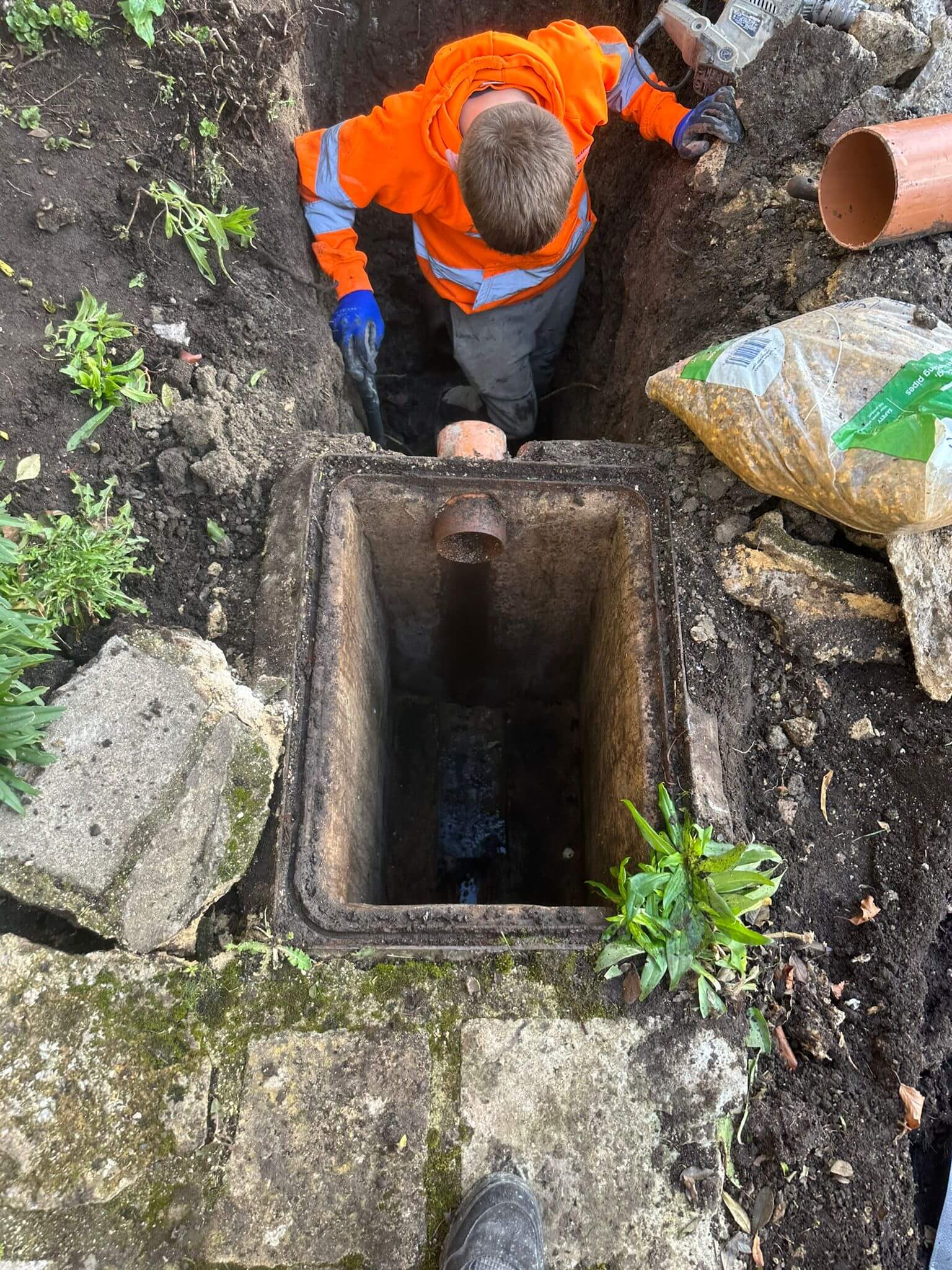
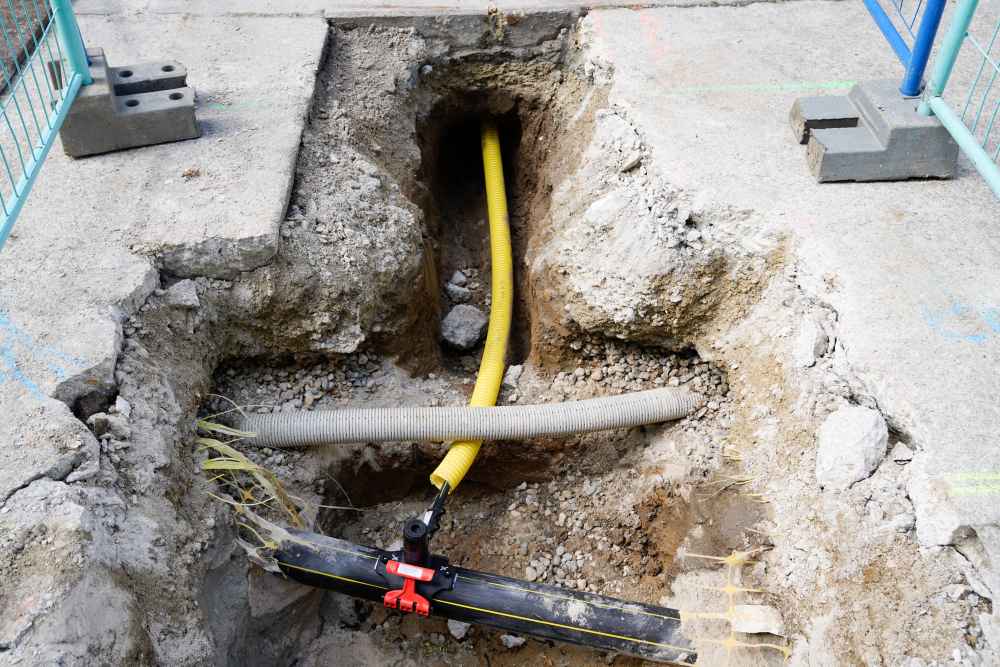
- The installation involves major excavation and changes to the land
- You are replacing a system with a new location or layout
- The drainage field is close to wells, boreholes, or drinking water sources
When Planning Might Not Be Required?
Sometimes planning permission may not be required for septic tank installation. For example:
- If you are replacing an old septic tank with a similar one in the same location
- If the new system follows building regulations exactly
- If the drainage field is placed correctly and does not affect water sources
- If the project does not change how the land looks
Factors that Influence Planning Permission Requirements
Whether you need planning permission depends on a few important factors that affect safety, land use, and the environment.
Location of the Tank
If the tank is placed too close to a water source, a neighbouring property, or on protected land, authorities usually require approval. They need to confirm that the installation won’t harm nearby homes or pollute the water.
Types of Land
If your property sits in a flood zone, an agricultural area, or a conservation site, the rules become stricter. These areas are more sensitive, so authorities want to be sure the tank won’t cause contamination or damage.
Distance from Buildings
If the tank or its drainage field is too close to your house or your neighbours’ buildings, you may need approval. This ensures the wastewater does not affect the foundation, pipes, or underground structures.
Impact on the Environment
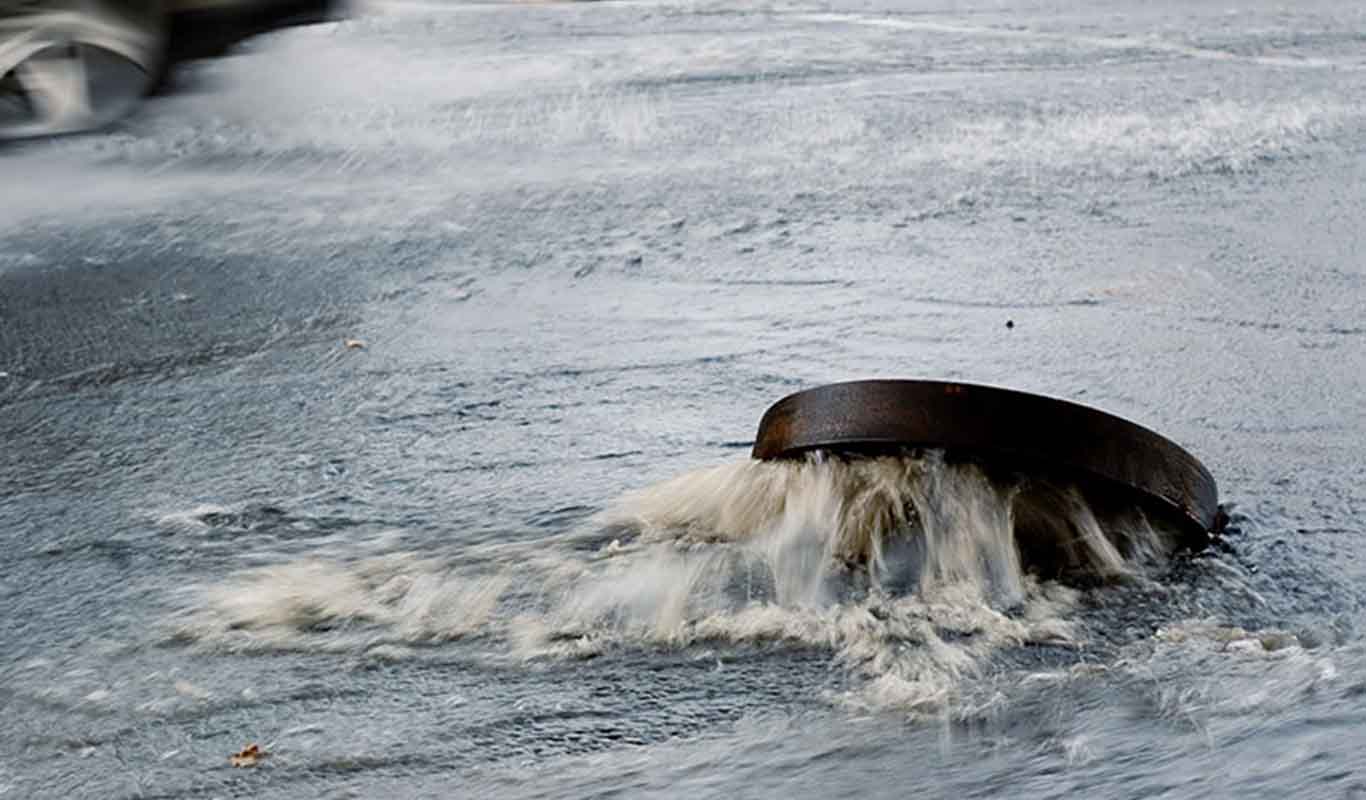
If your septic tank could negatively affect soil, groundwater, wildlife, or vegetation, planning permission is usually required. This helps keep the surrounding area safe and healthy.
Building Regulations and Environmental Rules
Even if planning permission is not required, building regulations still apply. These rules make sure:
- The system is designed properly
- It is installed safely
- It does not contaminate water sources
- It can be inspected and maintained
Environmental agencies also set rules to protect soil and groundwater. Your tank must meet these standards to avoid fines or legal issues.
Steps to Take Before Installing a Septic Tank
Before commencing the septic tank installation, make sure to:
- Connect with your local planning office to ask if you need permission
- Check building regulations to ensure your design meets all rules
- Get a professional site survey to find the right location
- Choose a licenced installer who understands legal requirements
- Plan the drainage field properly so it does not affect nearby water
- Keep all documents and approvals in case you need them in the future
Conclusion
Planning permission for a septic tank depends on your location, land type, and how the system will be installed. Sometimes you need approval. And sometimes you don’t. The safety approach is to check first, follow all building and environmental rules, and work with a qualified installer.
With the right steps, you can install your septic tank smoothly and avoid any legal problems later.