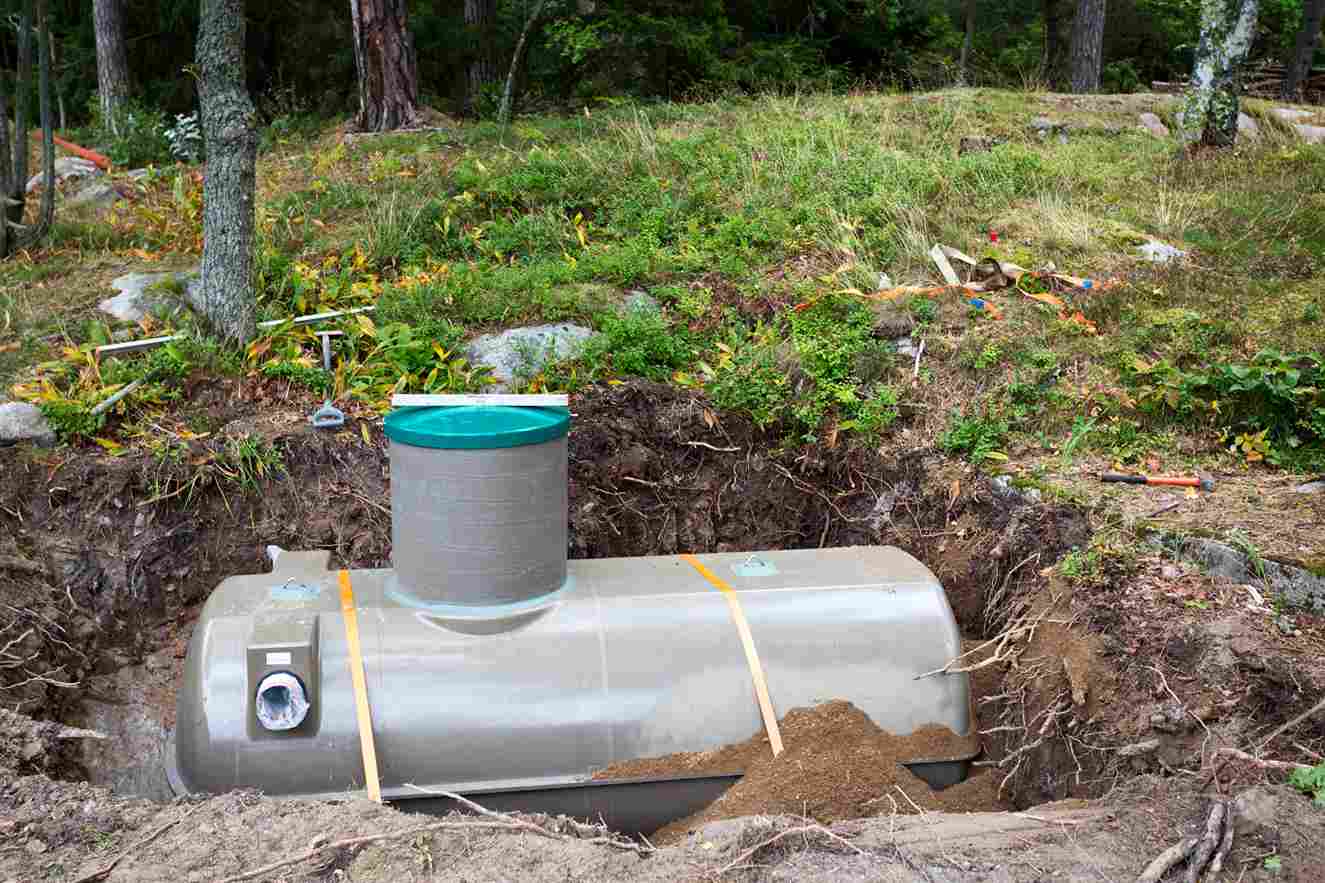
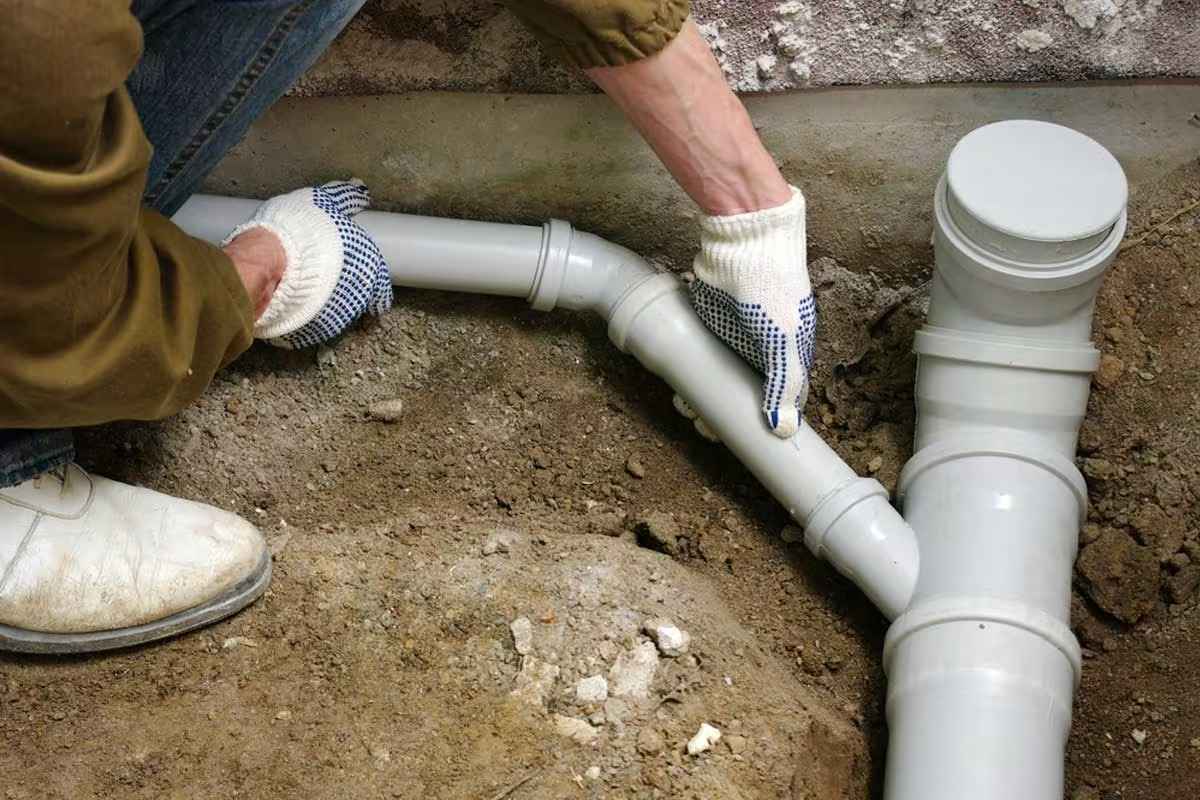
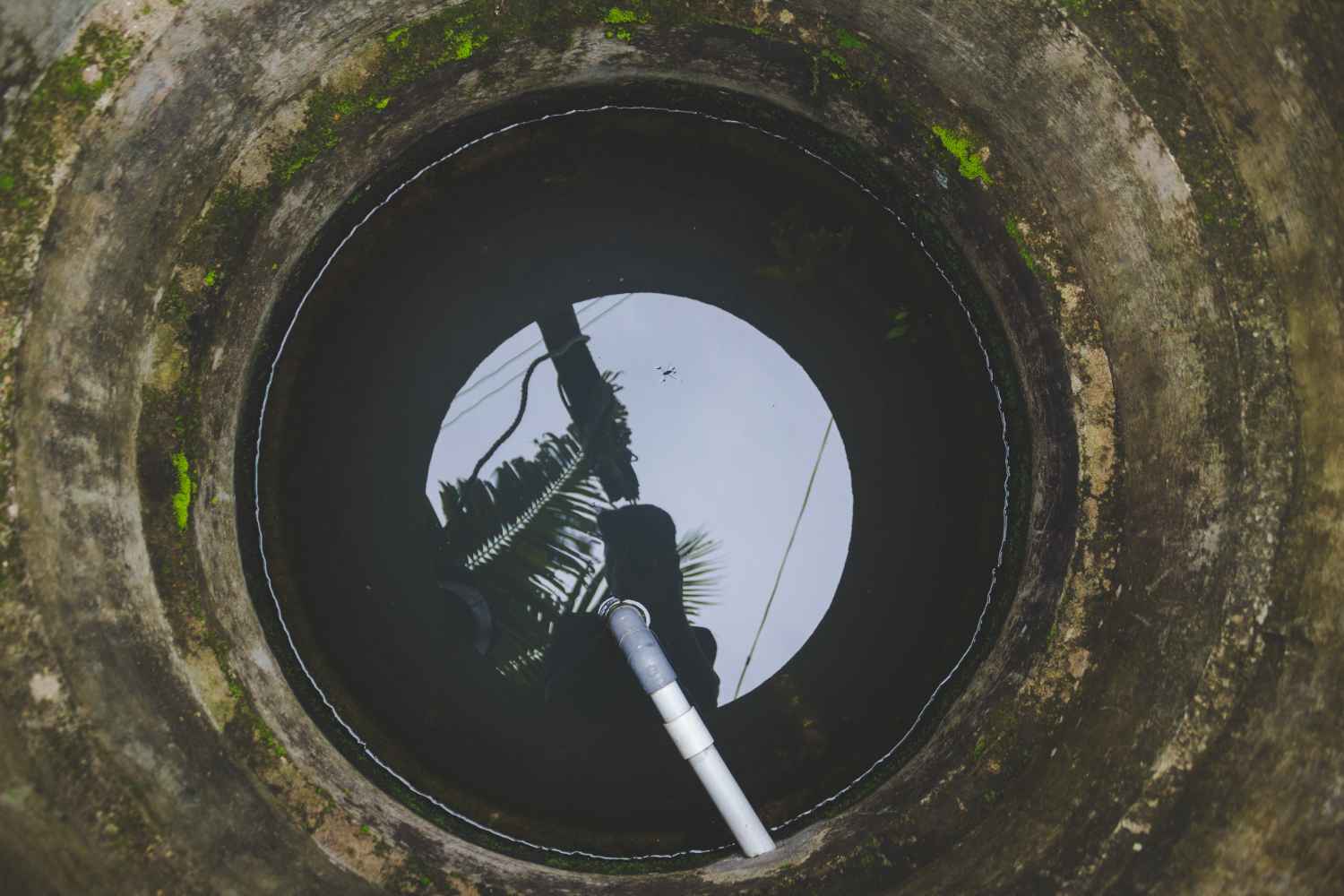
Septic tanks are an essential part of the households that are not connected to a mains sewer system. Septic tanks safely manage and treat wastewater from your home. During this process, they ensure that public health and environment are protected. However, you don’t just have to install the septic tank; meeting the rules and regulations is also important.
In this blog, we will discuss what septic tank compliance is, why it matters, and how homeowners can ensure their system meets the requirements.
What Does Compliant Mean?
Compliant means following the rules, laws, and standards. In the context of a septic tank, compliance means the tank meets all the rules and regulations. It ensures that the environment and public health are not polluted.
- It follows government and environmental regulations.
- It treats wastewater safely.
- It does not pollute the surrounding areas, such as soils, rivers and drains.
- It was designed and constructed to today’s standards.
A septic tank ensures compliance and safely disposes of the wastewater without polluting the environment and soil.
Understanding Septic Tank Compliance
The regulations that must be followed for septic tank compliance include the following:
- How the water tank is built
- Where the wastewater is discharged
- How often is it serviced?
- Whether it causes pollution.
- Whether it meets modern standards or needs upgrading.
Several countries, such as the UK and Ireland, strictly regulate that septic tanks must be installed and that they cannot discharge directly into a watercourse. Systems that are discharged directly into a waterway are deemed non-compliant.
Key Features of a Compliant Septic Tank
Here are the main things that make a septic tank compliant:
1. Correct Discharge Location
A compliant septic tank system typically routes wastewater away from the home to one of these:
- A soakaway drainage field
- A percolation area
- Or an approved treatment system
You generally cannot discharge wastewater directly into rivers, streams, or drainage ditches.
2. No Pollution
Your septic tank should not:
- Have a strong smell
- Leak grey water
- Cause wet patches in your garden
If you observe any of these problems, it may be a sign that your septic tank is polluting the environment and is therefore considered non-compliant.
3. Regular Maintenance
A compliant septic tank has to be:
- Emptied every 1 to 2 years
- Inspected every year for signs of blockage or damage
- Serviced by a licensed professional
4. Proper Size and Construction
Your septic tank should have:
- The right size for the household
- Made from approved materials
- Installed correctly with proper drainage
5. Meets Local Laws
Every area has its own rules. So, a compliant septic tank must follow the regional legal requirements.
Signs Your Septic Tank May Not Be Compliant
If you notice these signs, then your tank may not be following the guidelines:
Strong Smells Around the Tank
Unpleasant Odours from your drains or pipes generally indicate improper maintenance or potentially leaking tanks.
Wet Patches in Your Garden
Another sign of overfilling or leaking is water accumulating around your drain field or septic system.
Slow Drains in Your Home
If drains from toilets, sinks, or showers are draining slowly, this may indicate a full or blocked unit.
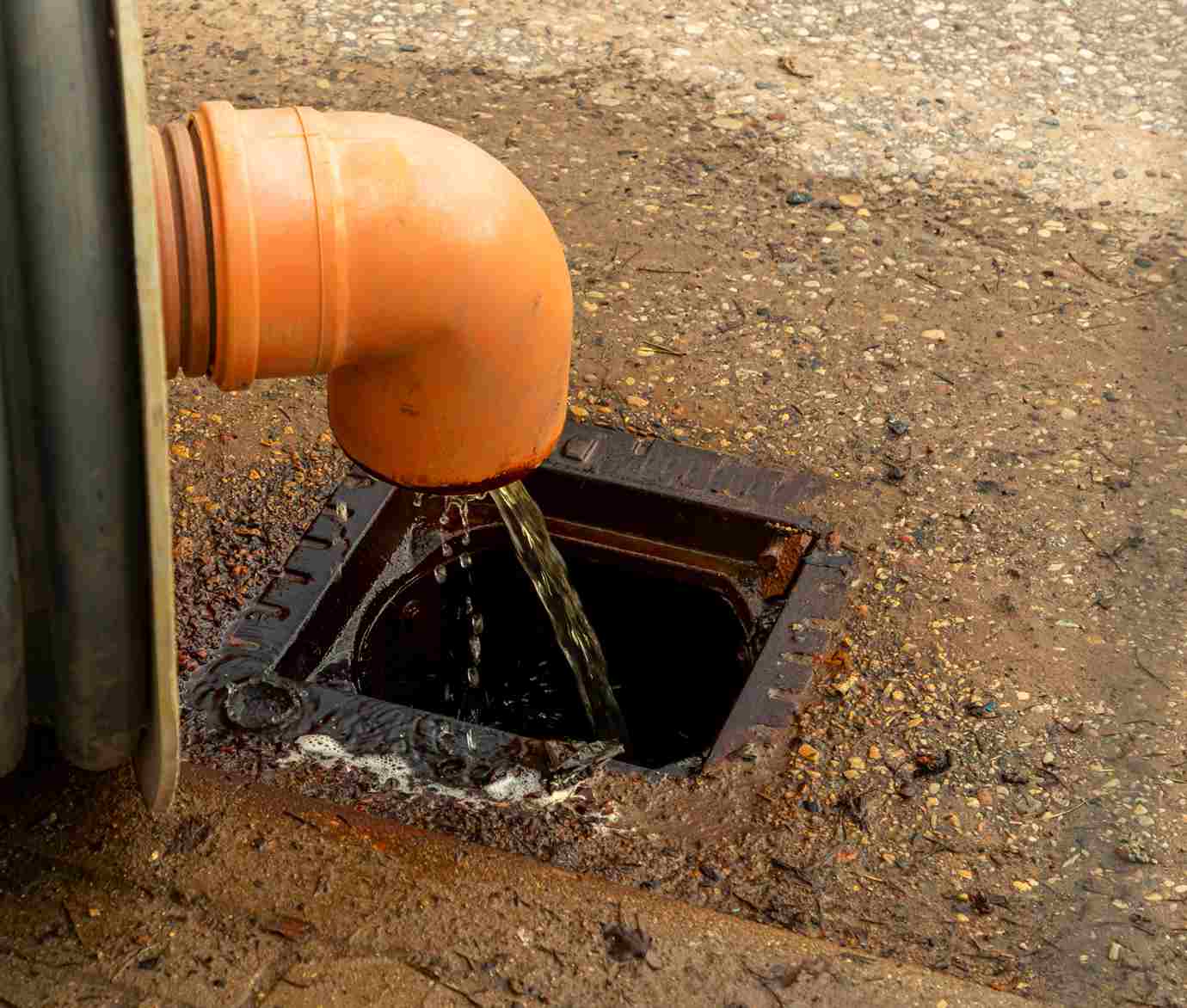
Discharge Going into a Waterway
If the outlet pipe goes into:
Then it is likely non-compliant
Tank Has Not Been Emptied in Years
Irregular maintenance can lead to blockage, pollution or legal action.
You Don’t Have System Records
If you have any of these records, it is likely compliant:
- Maintenance Records
- Emptying Records
- Installation Records
If you do not have these records, your system may be compliant.
Conclusion:
It’s important to know if you are using a compliant septic tank. As well as protecting your family and home, they’re essential for protecting the earth and the atmosphere. Compliant septic tanks follow regulations and provide safe, effective wastewater treatment without contributing to pollution.
If you notice sewage odour, wet spots, slow drainage, or outdated discharge methods, your tank may not be compliant.
To ensure your septic tank is compliant, you should schedule regular inspections and maintenance, and upgrad e any older systems that don’t comply with current regulations