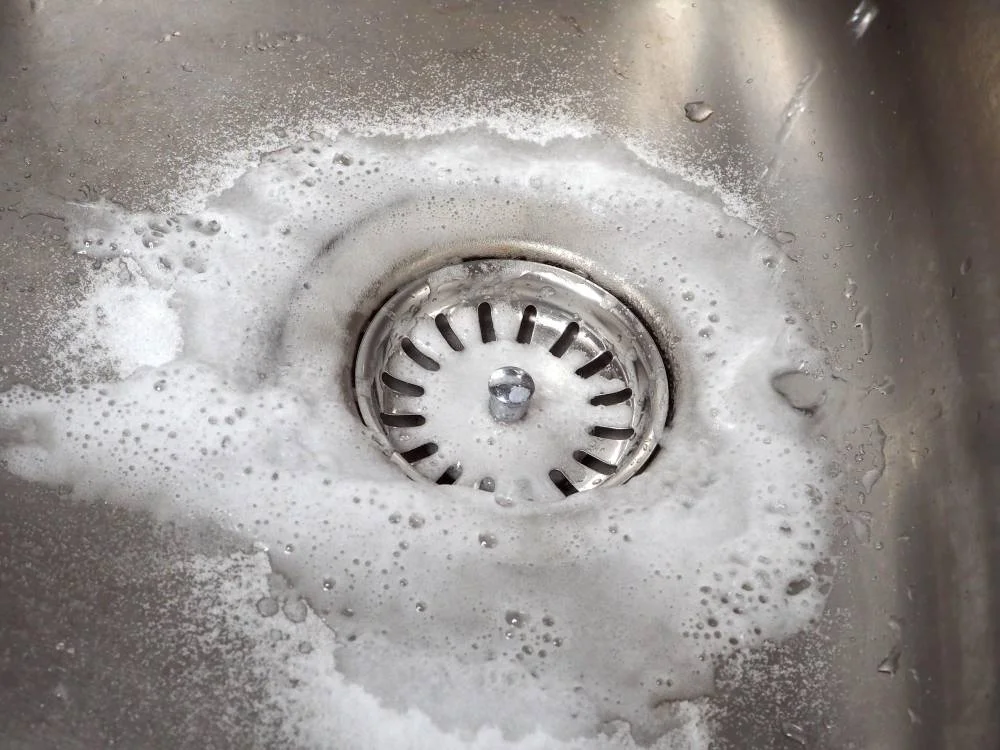
Blocked drains are a common household problem. It’s an unpleasant experience when you find out that your drains are blocked. Fat, oil, grease, food particles, hair, and other foreign objects can lead to the formation of stubborn blockages. If left unchecked for an extended period, it can lead to slow or blocked drainage.
In this comprehensive guide, we will write about how to clear fats from drains and whether you can do it yourself or need to call in professionals.
Why Fats Cause Drain Blockage?
The main causes of clogged drains are fats, grease, oils and other debris. Small food scraps and oil are washed away during dishwashing. It is important to collect scraps and place them in the bin before washing the dishes, but we often forget, and they end up in our pipes, clogging them.
From Where Does All That Fat Come From?
Oils are the primary cause, and it is no surprise that most of it comes from kitchen drains. In cooking and baking, animal fat is most commonly used alongside vegetable oil. These oils are washed down in smaller amounts regularly in our kitchen and accumulate over time, leading to blockages.
First, grease and fat are liquid, but they break down during dishwashing with the soaps and detergents we use. Hot water is used to clean grease and fat from dishes, but they tend to solidify in drains as they cool. All the debris, egg shells, coffee grounds, hair, food scraps and other rubbish get stuck in the pipes when they come in contact with solidified fats.
Soap bars also block the drains. Mostly used in the bathrooms while washing hands, soap scum forms a blockage in the pipes along with hair. Over time, debris accumulates in the drains and forms a thick layer on top. Soaps are typically made from animal fat (tallow), but in recent years, fat-free soaps have becomes available that help prevent drainage problems.
Signs That Your Drain is Blocked by Fats
It’s easy to identify the blocked drains. These are the signs that your drain has been blocked:
- Slow water drainage and gullies
- Water is pooling around the drain cover
- Unpleasant odour from the drains
- Gurgling sounds from the drain
If you are experiencing blockages in more than one drain at your property, it can be a sign of a blockage in your external drains.
How To Clear Fats from the Drain: Step-By-Step Procedure
This is the step-by-step procedure to unblock your drain.
The first step is to wear the protective gloves. A fatty blockage can be irritating and messy. For safety, keep the children and pets away from such areas.
Use the crowbar or screwdriver to remove the drain cover. Handle carefully, as these covers are heavy and can cause injury.
Use the torch to identify the cause of the issue. If there’s a black mass, it means that there are soap particles and hair tangled up in the pipes. If there’s a yellowish mass or a thick white layer, it’s most likely due to fat.
Boiling Water and Washing-up Liquid
The simplest and oldest way to remove a fat blockage is to pour boiling water over it. It helps melt the fat and break down the soap particles. Sometimes you have to repeat it several times to get the best results.
If the boiling water technique doesn’t work, use a drain rod. It will help break and push the blockage material.
Why Hire a Professional Plumber for Clearing Fats from the Drains?
If the DIY remedies don’t work, hire professional plumbers. Hiring professional plumbers is always the best idea because they have specialised tools and are experts in their field. Additionally, hiring them is cost-effective, whereas DIY remedies can worsen the situation and lead to additional expenses.
Tools That Are Used to Clear the Fat from Drains
These are common, effective tools plumbers use to unclog drains:
A cable cleaner is a common tool used by plumbers. It clears the drainage by pushing the long metal wire through it. It has hooked ends that can grab and remove clogs.
The hair snake tool is designed to remove the hair clogs. It consists of small hooks at the end and a long metal rod.
A drain auger is the most effective tool plumbers use. This tool consists of a metal cable attached to the crank handle to assist with pipe insertion. It removes any obstruction that impedes water flow.
A plunger is also another common tool used by plumbers. It is used to build pressure and clear the clog by suction. Before using it, fill the bathtub or sink with enough water to build the pressure and make plunging easier.
Pipe cameras are also the tool used by plumbers to unclog drains. They use it to inspect what is clogging the pipes and help them clear it.
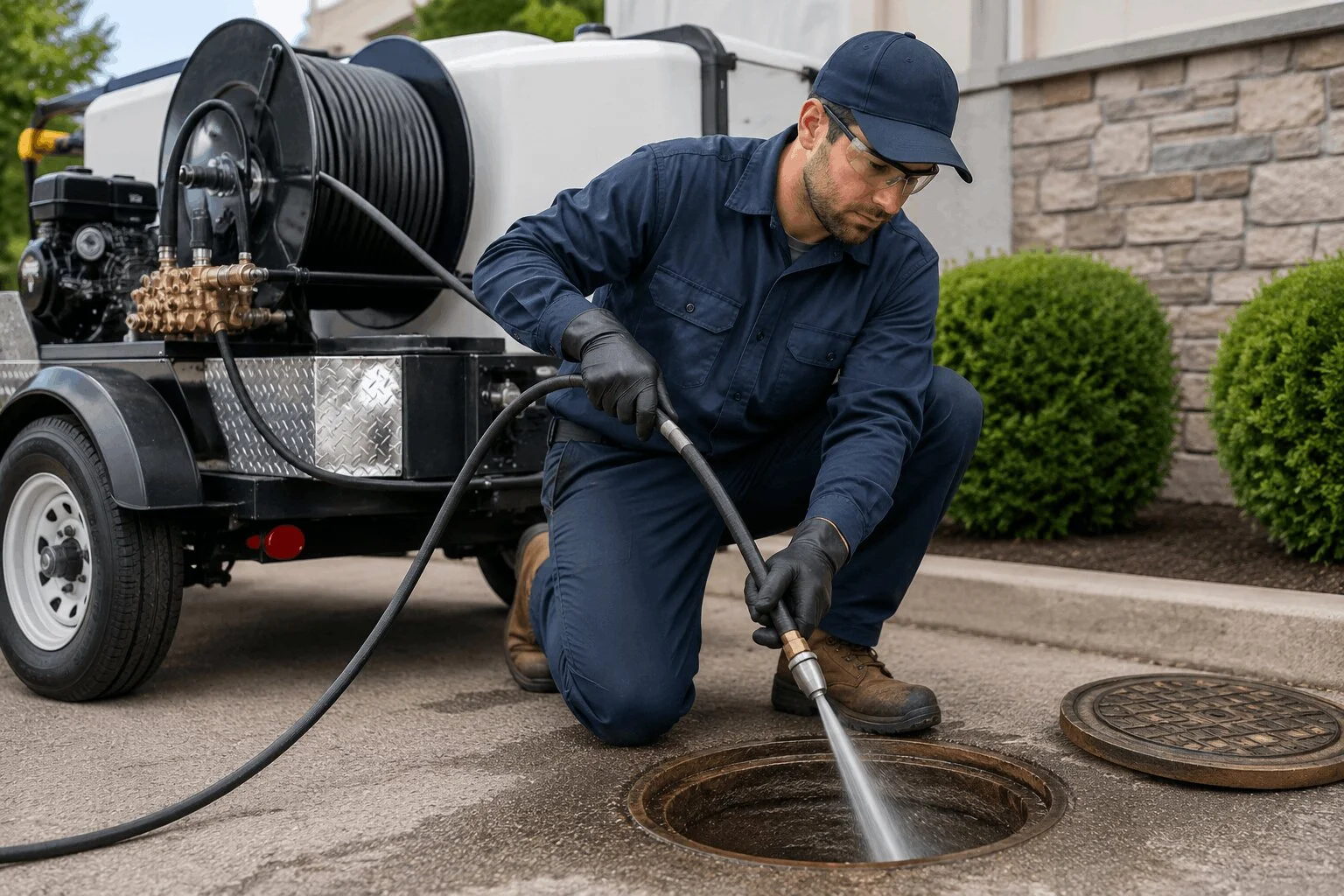
Hydro-jetting is also a common tool used by professional plumbers. It uses high-pressure water to clear the material clogging the drain.
Conclusion
Blocked outdoor drains cause mess and trouble. DIY remedies don’t always work, and for stubborn fat blockages or larger problems, hiring a professional is more effective for a long-lasting solution. At Fast Drains, our professional workers unblock difficult, persistent blockages and other deeper drainage issues that require inspection quickly and efficiently.