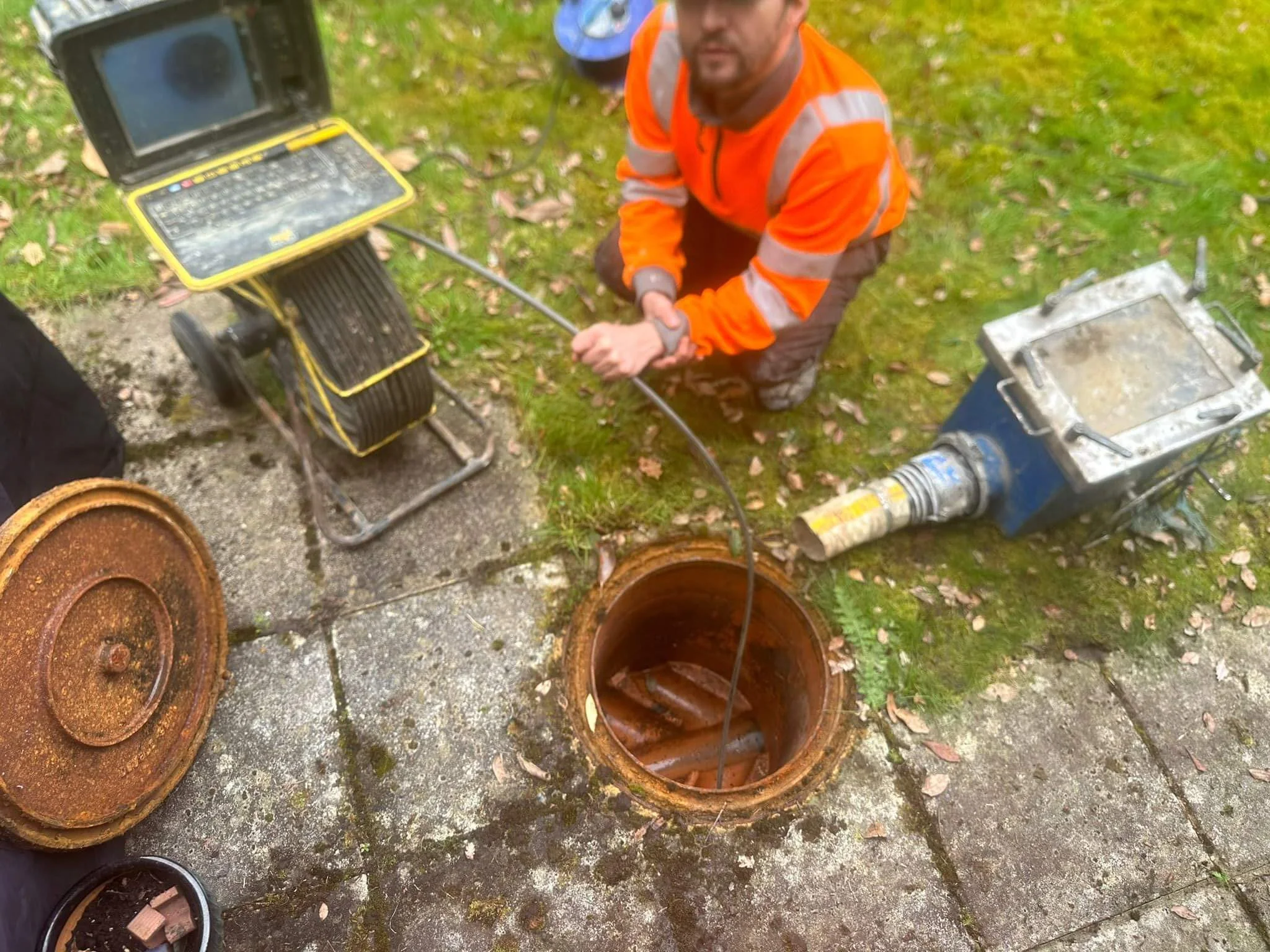
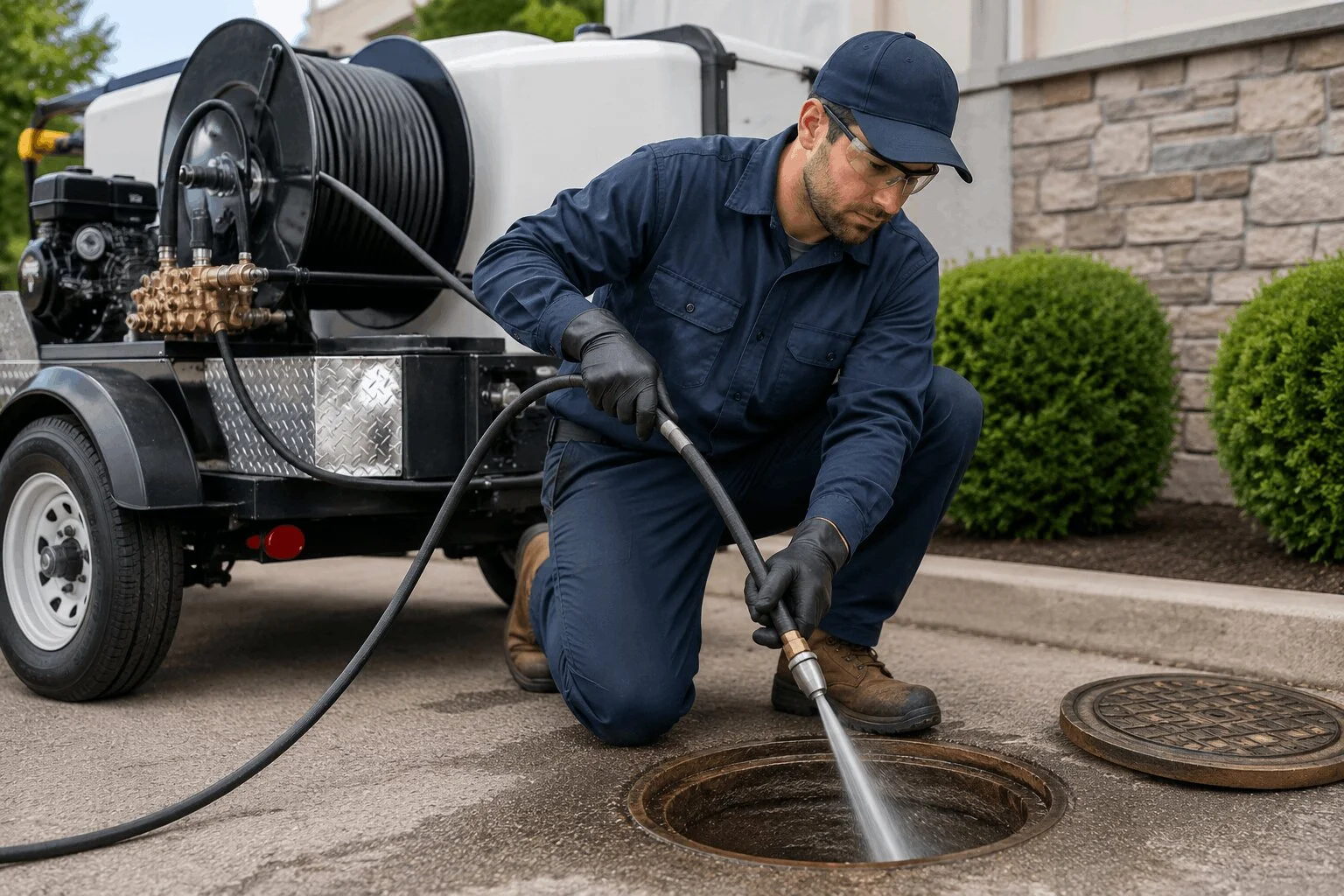
A septic tank is a system that handles wastewater and solid waste for homes and businesses not connected to the main sewage system. It plays an important role in treating wastewater and effectively disposing of household sewage.
With the passage of time, septic tanks accumulate sludge and solids, which can cause blockages and system failure. Therefore, they require regular cleaning to prevent issues such as foul odours, slow drainage, sewage backups into your home, and serious health hazards.
In this article, we offer valuable insights and practical solutions for septic tank cleaning.
Why Is Septic Tank Cleaning Important?
Cleaning your septic tank is essential to extend its lifespan and maintain a healthy household. This process involves removing all deposits from the tank and pipes to ensure your system flows and drains efficiently.
Whether you handle septic tank cleaning yourself or hire professional cleaners, regular maintenance ensures wastewater flows freely and prevents sewage from backing up into your home.
Additionally, it helps stop harmful bacteria and viruses from polluting your drinking water. A well-maintained septic system can increase your property’s value and save you thousands in potential repair or replacement costs.
In summary, regularly cleaning your septic tank helps keep the entire system functioning efficiently for longer.
What Are the Signs Your Septic Tank Needs Cleaning?
The natural buildup over the years is a common reason for regular cleaning, but there are other reasons your septic tank may require an immediate professional inspection.
1. Slow Drain and Backup
If you notice water draining more slowly from sinks or toilets, or wastewater backing up into fixtures, it may indicate a more serious issue than a simple clog. It is important to take this seriously, as it may be related to a septic tank issue.
2. Gurgling Sounds
Another warning sign that your septic tank needs cleaning is hearing burbling, bubbling, babbling, rippling, glugging, or murmuring from it. These sounds occur when air becomes trapped inside the pipes, preventing liquid from flowing down the drain.
3. Foul Odours
If the grass around your septic tank appears noticeably greener and more lush than nearby areas, it may indicate a sewage backup. This indicates your system may need to be pumped.
4. Lush, Green Grass in The Lawn
If the grass near your septic tank is much greener and lusher than the rest of the yard, it may indicate a sewage backup. This could mean your system needs to be pumped.
5. Standing Water
Water pooling or overflowing around your septic tank indicates leaks. You should contact a professional for septic tank cleaning immediately to prevent property damage and health issues.
How Often Does a Septic Tank Need to Be Cleaned?
To keep your septic tank working well, it should be pumped out every 3 to 5 years. Septic tank cleaning also depends on usage and the tank’s size. Regular professional inspections can help identify the optimal cleaning schedule for your setup.
What Is the Professional Process of Septic Tank Cleaning?
Septic tank cleaning involves multiple steps and needs professional assistance. They have the experience and specialised tools to safely and effectively remove the build-up in your tank. Here is what happens during professional septic tank cleaning:
1. Locate and Access the Tank
If you do not know where your septic tank is located, professionals can help. They can start at the sewer line in the lower level of your house and follow its path as it leaves the house. They use a probe or a metal detector to find the tank’s lid. After finding the tank, they remove the access lids to access the tank interior.
2. Measure Scum and Sludge Level
Before cleaning, trained service providers measure scum and sludge levels to determine the volume of waste in the tank that requires removal. This helps assess the tank’s fill level and the pressure needed to remove the waste.
3. Pumping Out Waste
After inspecting the waste, professionals use specialised vacuum trucks or pumping equipment to carefully extract the tank’s contents. They remove the scum layer that floats to the surface (grease and oils), sludge, and liquid effluent from the tank. A high-pressure water jet or sludge grinder is used for heavy sludge, preventing disturbance of settled material and ensuring effective waste removal.
4. Tank Inspection and Assessment
Inspecting tanks after pumping is crucial to evaluating their overall condition. Specialised cleaning service providers examine the tank for any signs of damage, leaks, or cracks. To prevent leaks during pumping, they also check the ports to ensure they are securely sealed.
5. Cleaning the Tank
Once the waste is pumped out, the septic tank’s interior will be comprehensively cleaned. Cleaners use high-pressure water or other appropriate cleaning methods to remove residual debris from tank walls, baffles, and pipes. They thoroughly clean access lids and seal them tightly afterward to preserve their integrity and prevent odours or leaks.
6. Final Checks and Maintenance
To ensure the septic tank is clear of waste or residue, you can perform a final check and maintenance. Professionals inspect the tank’s components for damage or wear that may require repairs or replacement. This system supports the growth of beneficial bacteria, promoting long-term health.
7. Waste Disposal
Finally, the cleaners appropriately dispose of waste at a licenced facility in accordance with the environmental policy. A manifest is maintained throughout the waste-handling process, from pickup to the landfill, to ensure proper tracking and legal compliance.
Wrapping Up!
Regular septic tank cleaning is very important to extend its lifespan. It prevents clogs, foul odours, and expensive damage, ensuring your system remains healthy for many years to come. You can make a smart choice to keep your tank clean, safe, and hassle-free by understanding the cleaning process. With timely maintenance, you can keep your septic system running smoothly.