A septic tank plays a crucial role in efficiently managing household wastewater, especially in properties without access to a public sewer system. However, when a septic tank becomes full or clogged, it can cause several noticeable issues, such as slow drains, foul odours, and sewage backups. Luckily, this detailed guide explains the alarming signs that indicate your tank is full or clogged, and how to fix the problem.
What is a Septic Tank?
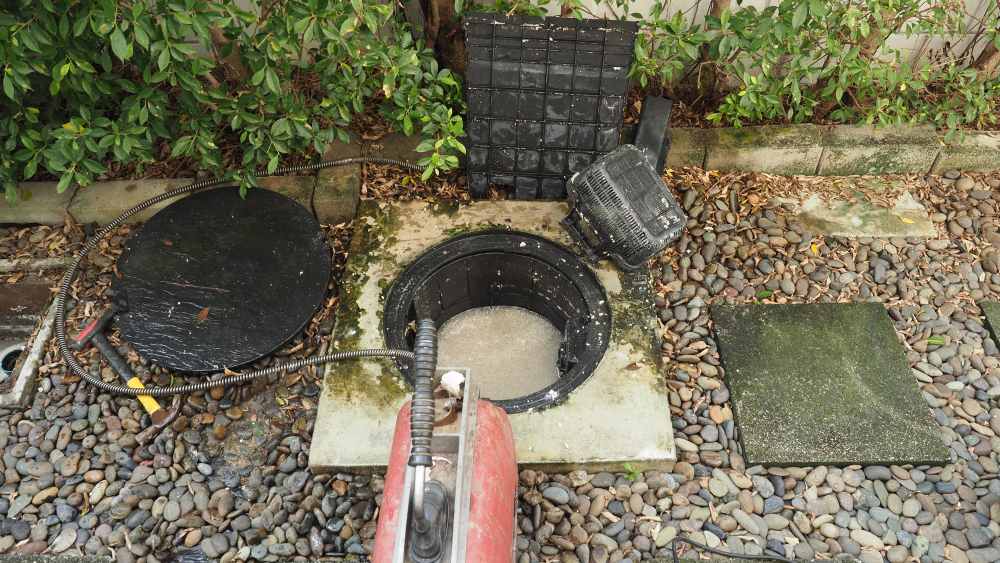
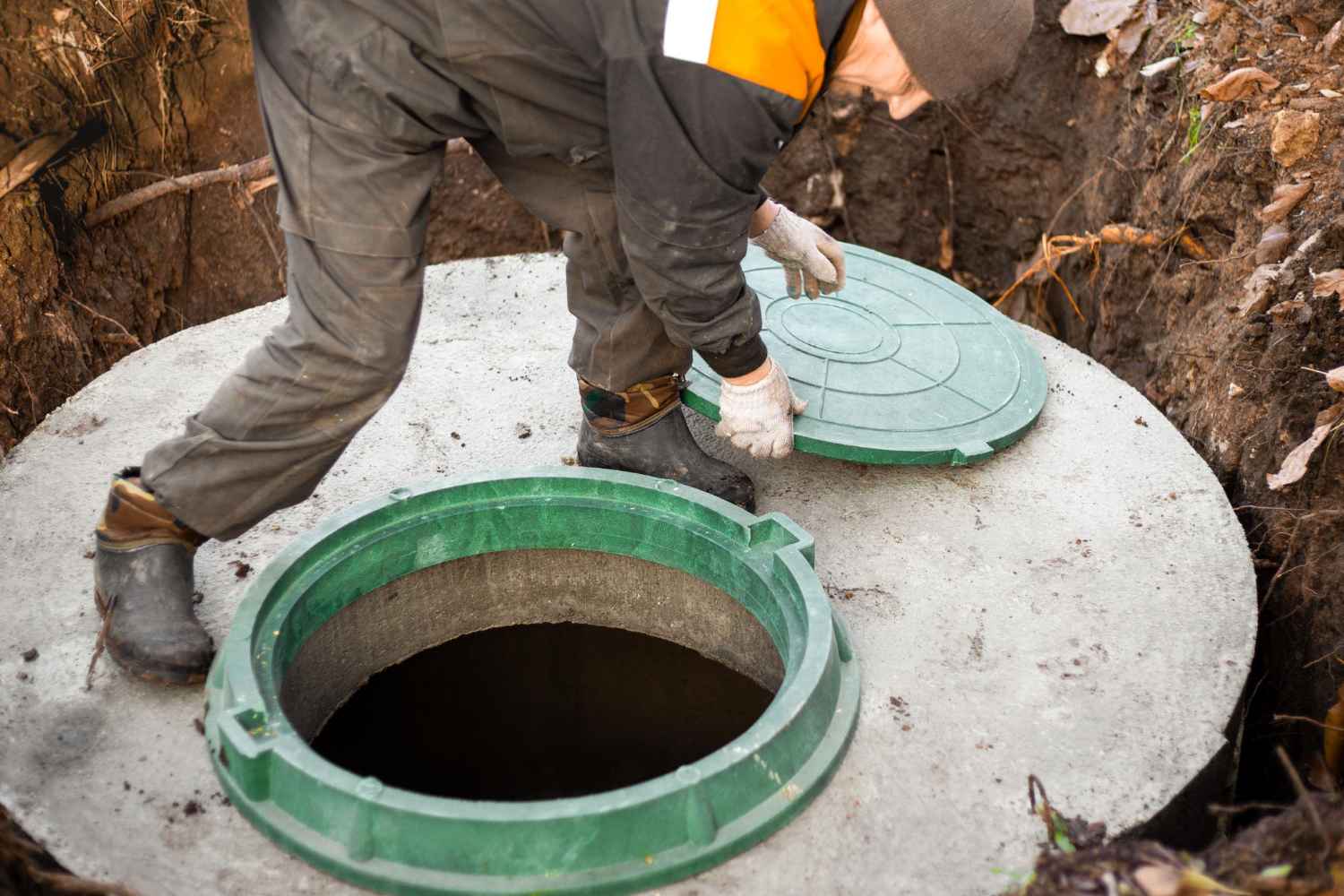
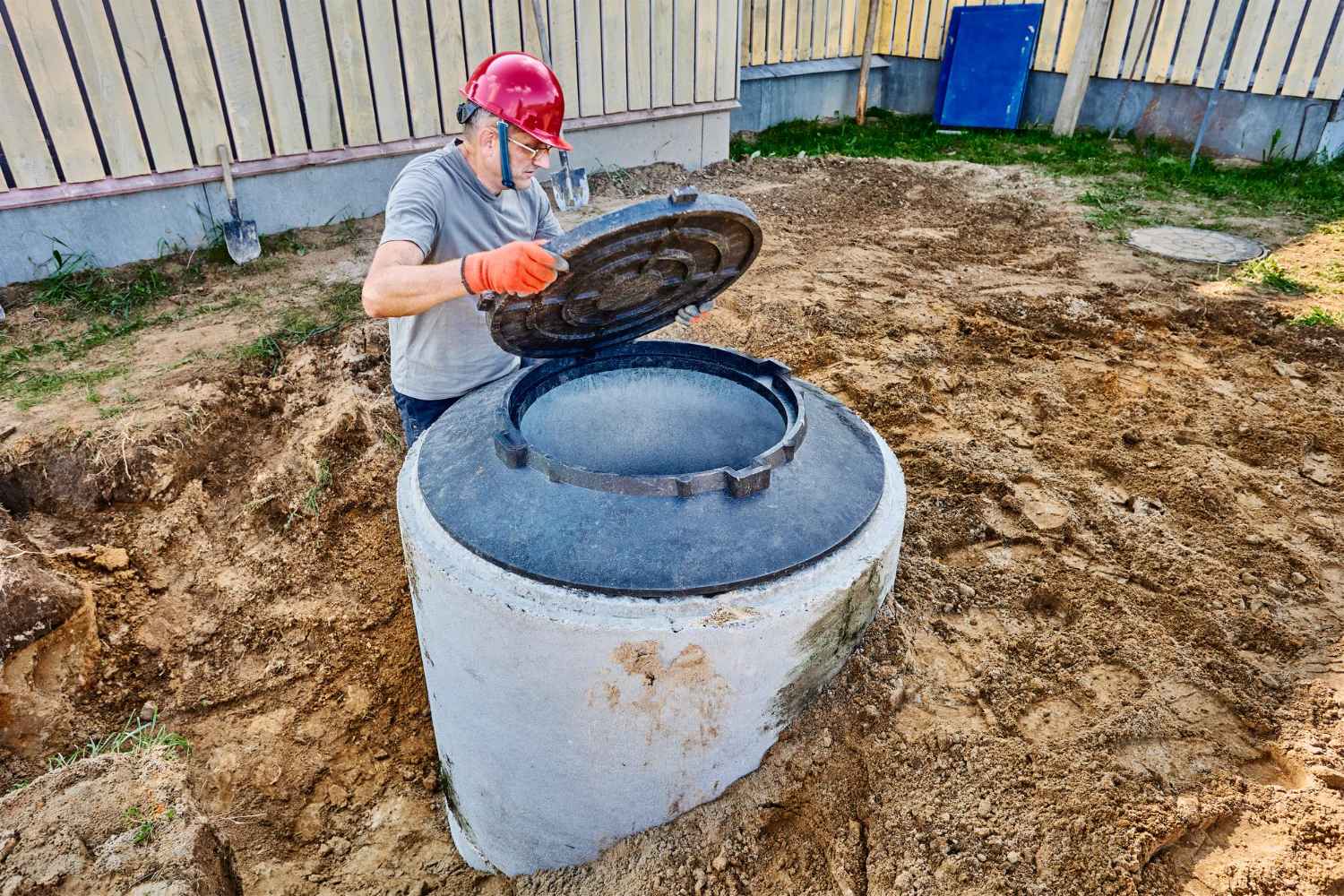
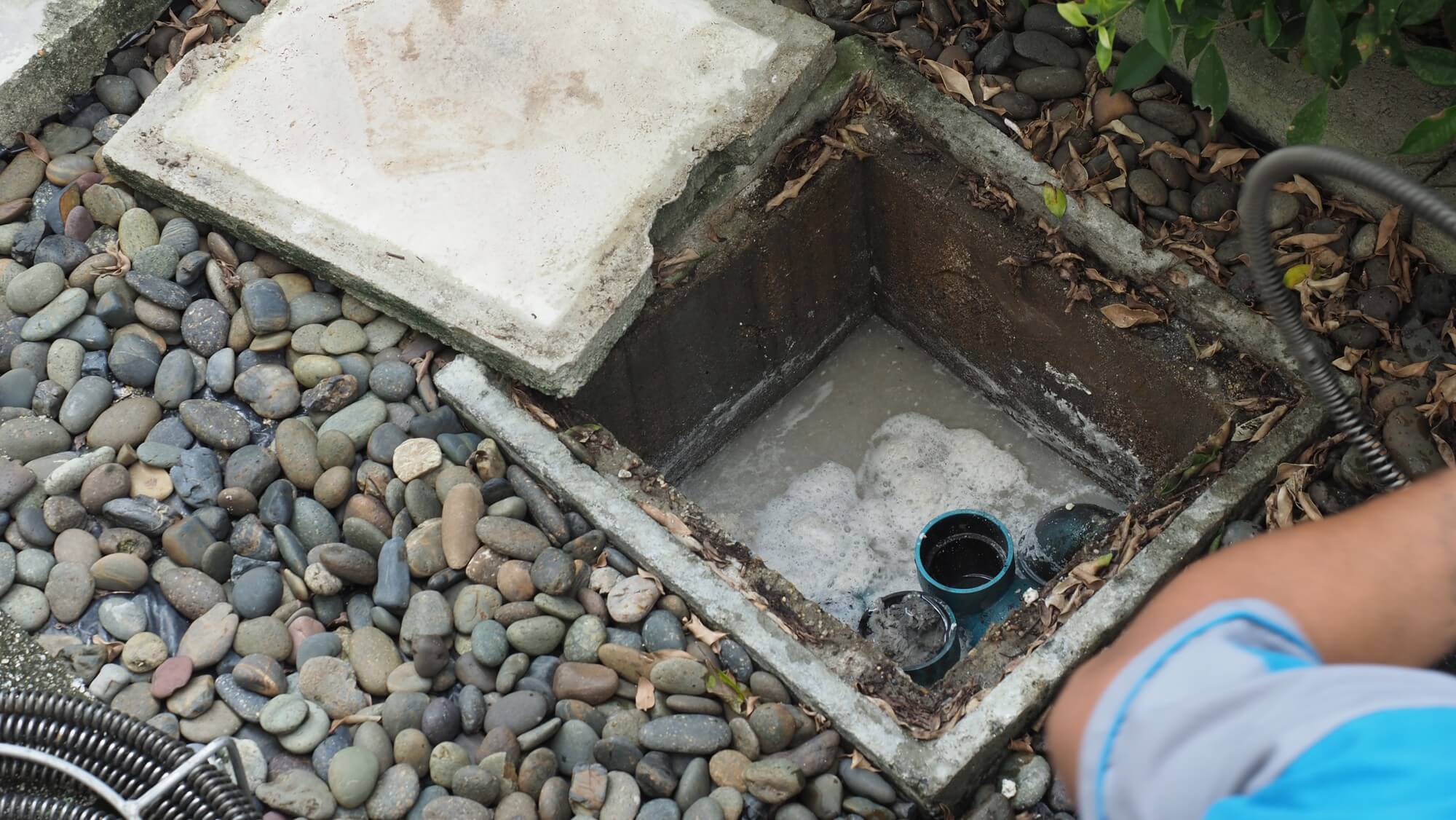
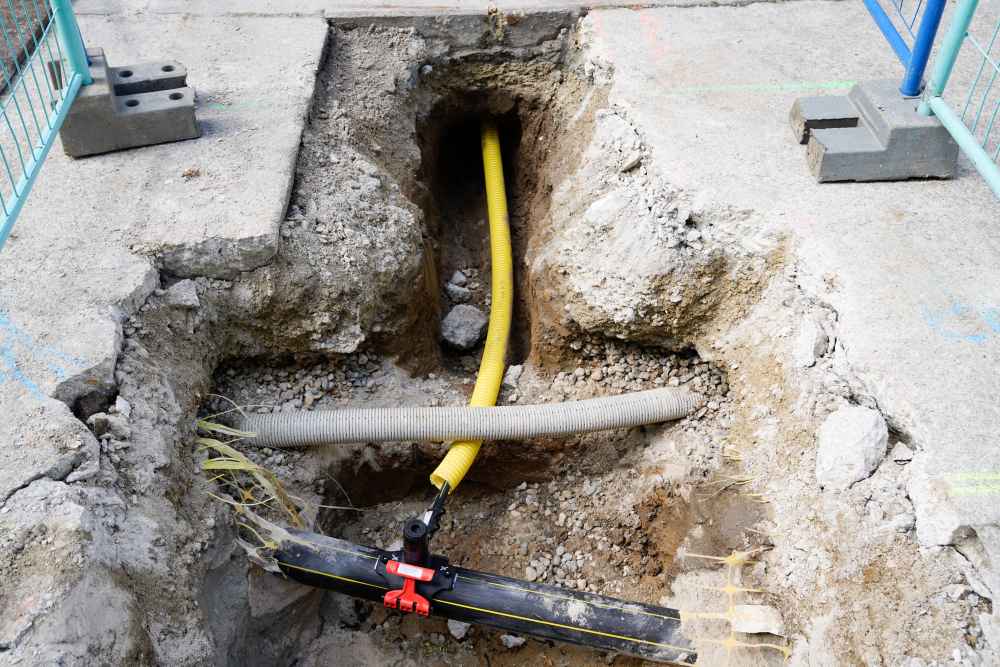
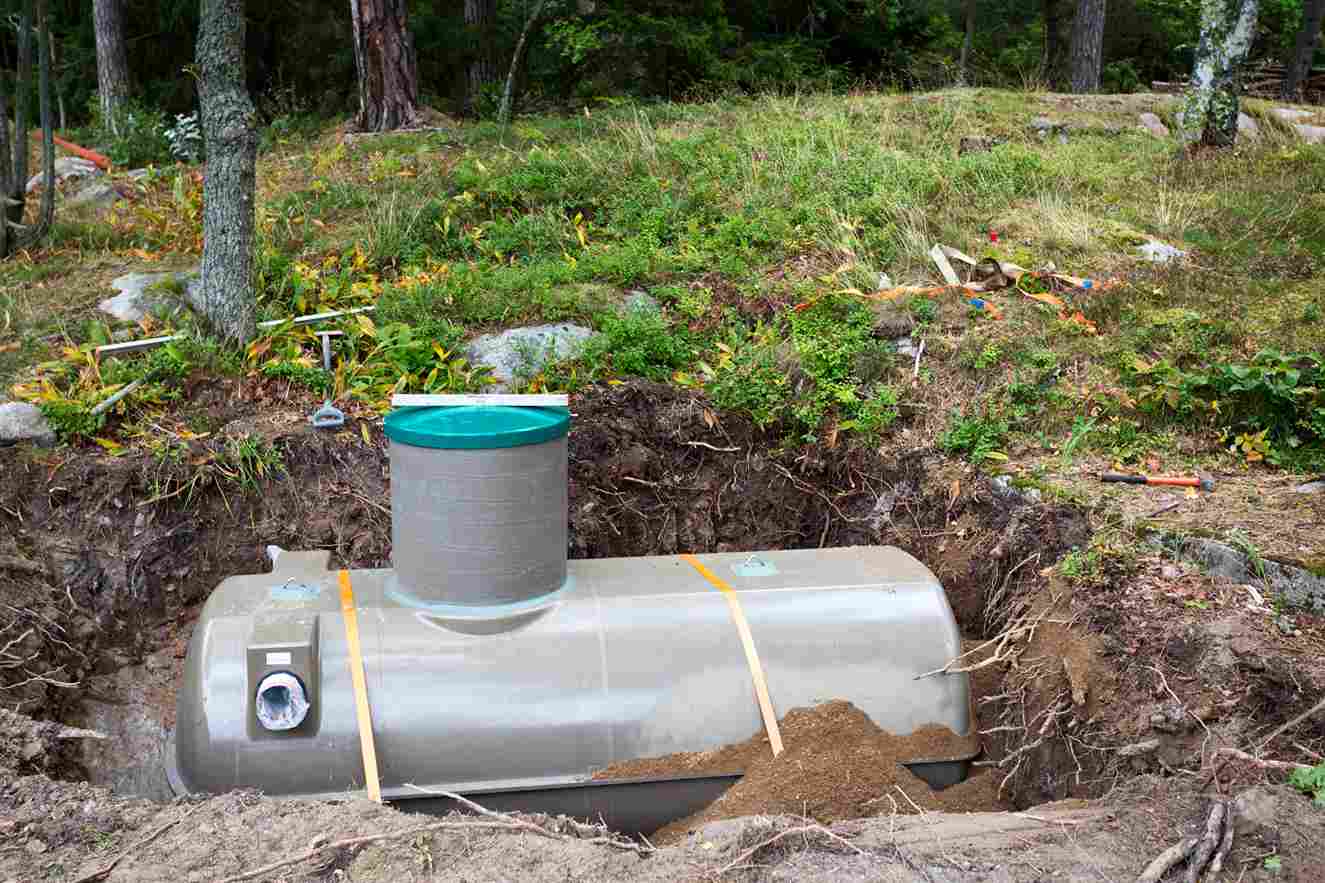
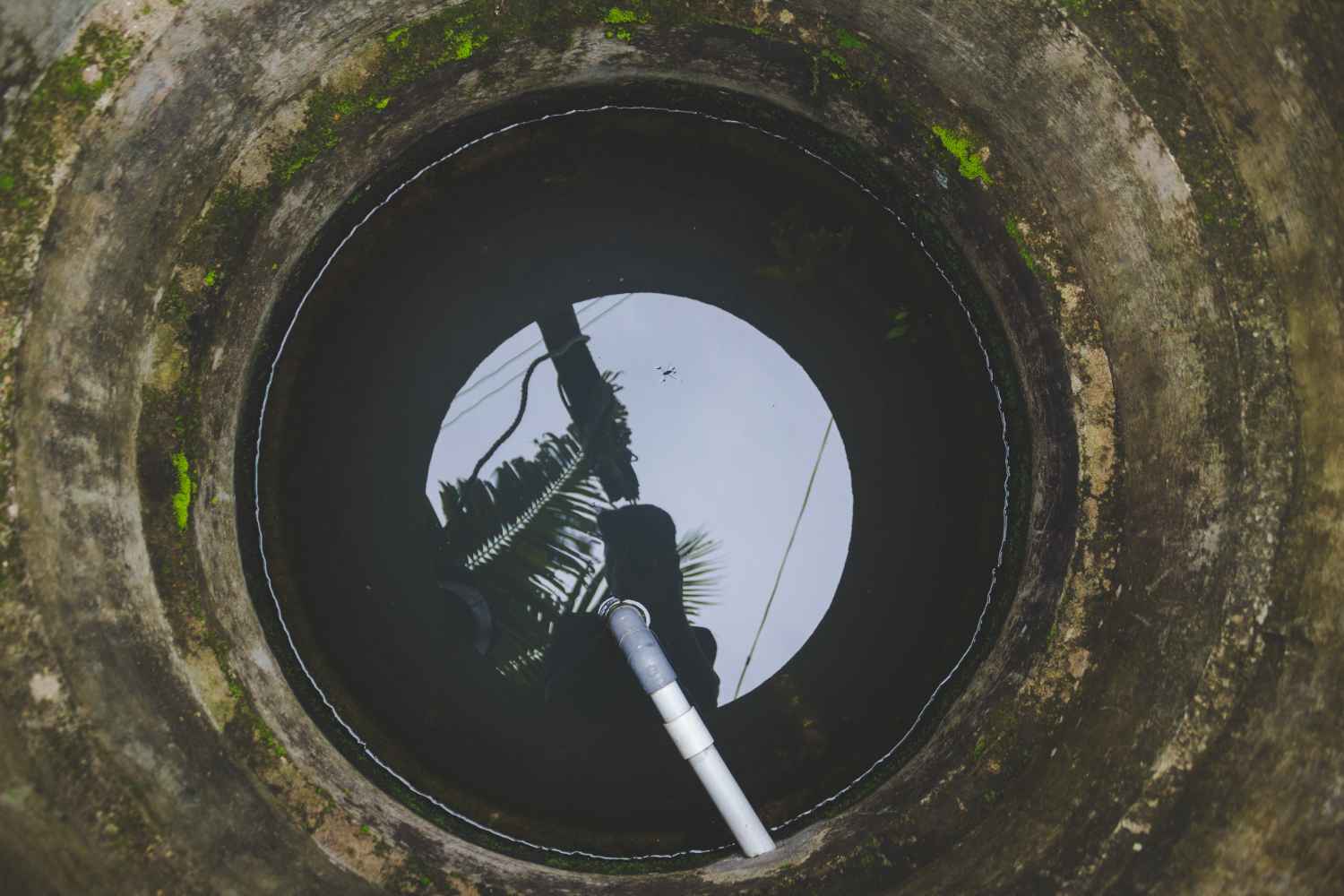
A septic tank is an underground container that treats wastewater. It separates solid waste from liquid waste. People usually make septic tanks from strong materials such as concrete, fibreglass, or polyethylene. The tank allows solid waste to settle to the bottom, while bacteria naturally break down organic material. When not properly maintained, sludge can build up, leading to clogs, overflows, and system malfunctions.
What Causes Septic Tanks to Overflow or Clog?
A septic tank can become full or clogged for several reasons. Some issues arise naturally over time, while others occur due to improper usage or environmental conditions. Common causes include:
- Excessive buildup of solid waste over time.
- Disposing of non-biodegradable items like wipes or sanitary products through flushing.
- Grease, fats, and oils enter the drains and solidify inside the tank or pipes.
- Tree roots are invading underground pipes or the drainage field.
- Heavy rainfall or flooding causes soil saturation around the tank.
- Not pumping the septic tank regularly when needed.
Signs Indicating Your Septic Tank is Full or Clogged
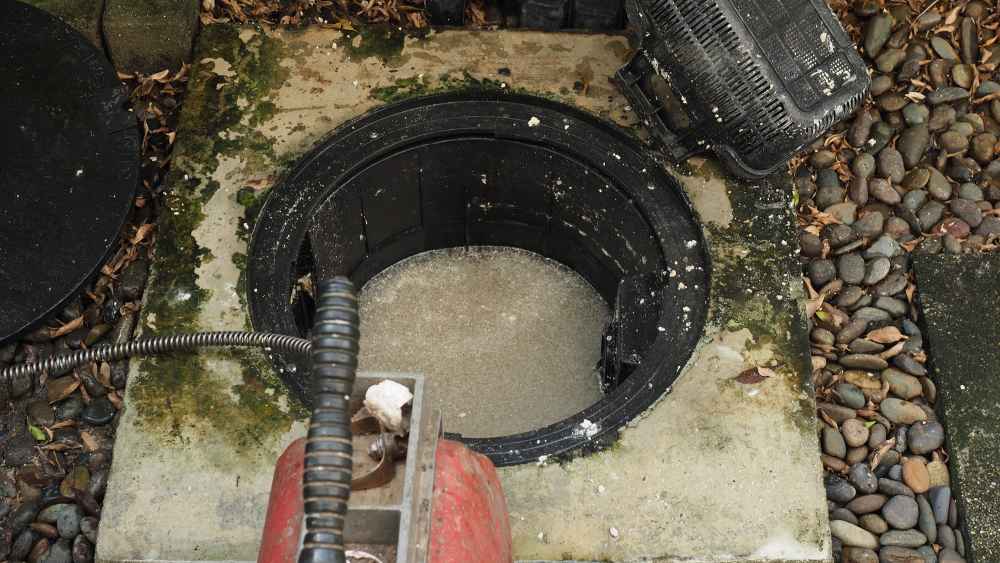
Bad smells, gurgling noises, liquid waste creating the pool, and slow drainage are the visible signs indicating that your tank should be emptied as soon as possible.
Standing Water Pooling
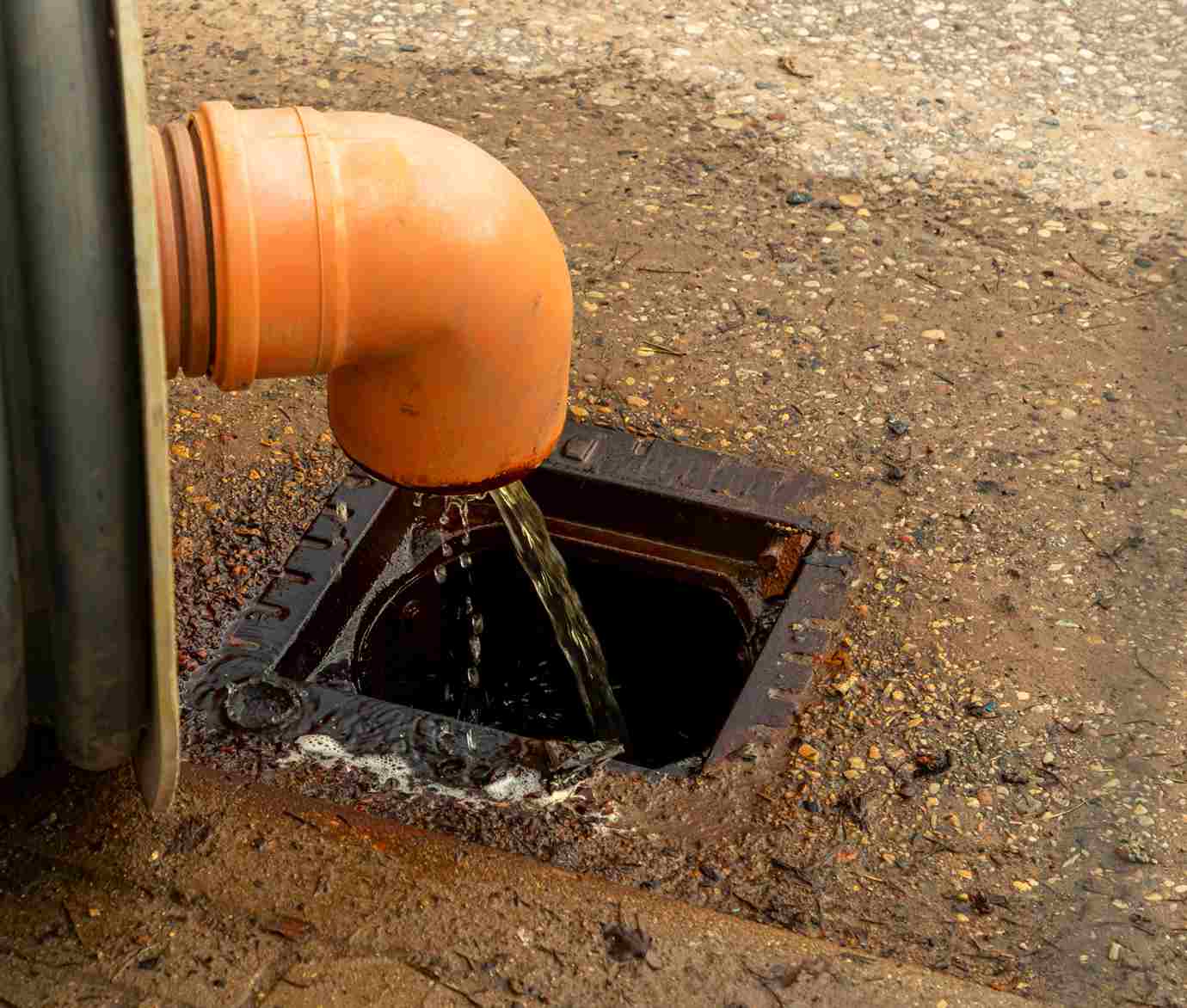
If water begins to accumulate around the septic tank or drainage field, forming visible puddles, this is a strong sign that the system is over capacity. The tank may be unable to handle incoming wastewater, forcing liquid to leak into the surrounding soil.
Bad Odours
Foul smells around the septic tank, drainage area, or inside your home indicate a full or clogged tank. When wastewater cannot move freely, gases escape through vents or the ground, producing unpleasant odours.
Gurgling Sound
If your sinks, toilets, or drains make bubbling or gurgling noises, it may mean wastewater is struggling to pass through the septic system. This often happens when clogs form in pipes or when the tank reaches its capacity.
Slow Drainage
Slow-draining sinks, bathtubs, and showers can indicate early problems with the septic tank. As the tank fills, wastewater cannot flow efficiently, resulting in noticeable delays in drainage.
Extra Growing Grass
If the grass around your septic tank area appears unusually green, thick, or fast-growing, it may indicate that nutrient-rich wastewater is leaking into the soil. This is a sign of a tank overflow or pipe damage.
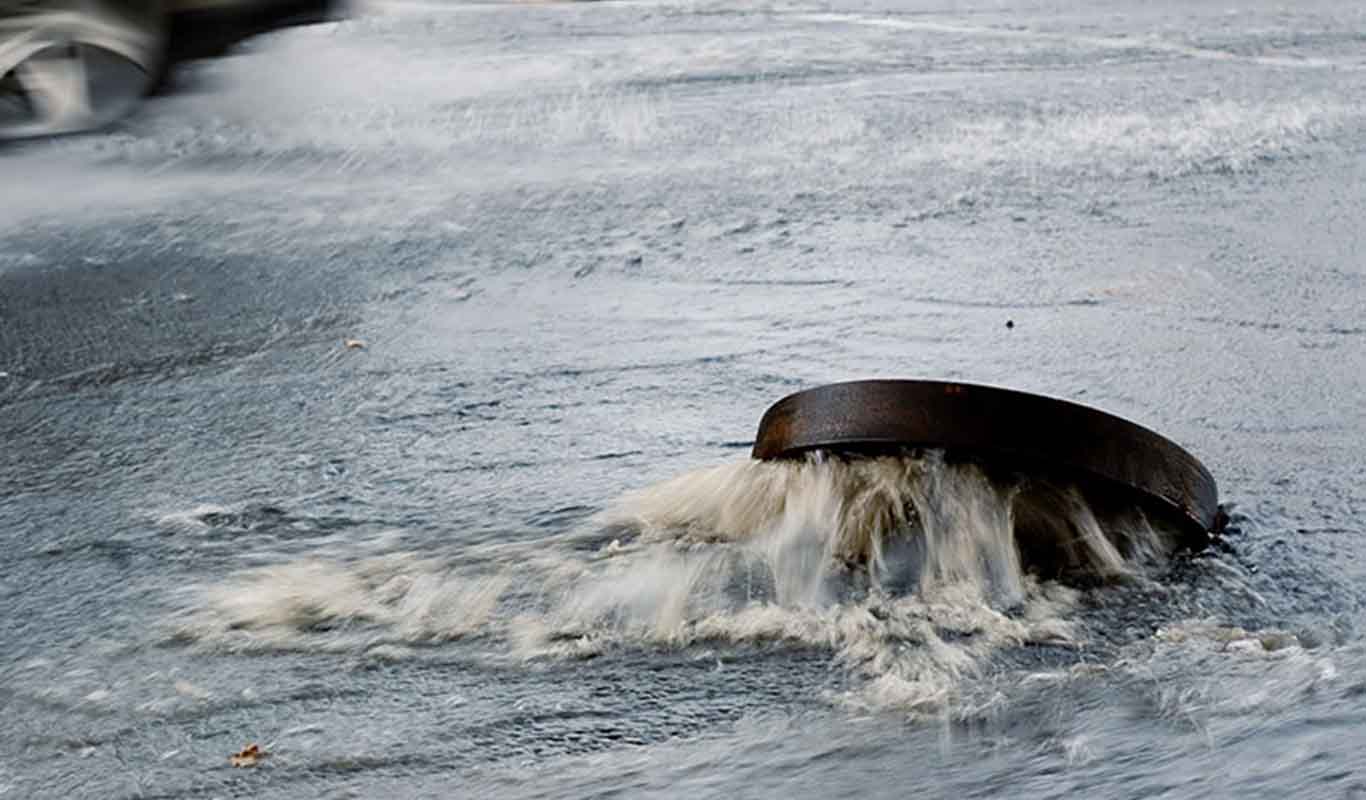
Sewage Backup
Is water flowing in the reverse direction to the home’s sinks, toilets, basins, tubs, or in the basement? This is the sign that your sewage needs to be cleared quickly. Highlighting the fact that you have ignored the signs mentioned above.
Other Warning Signs to Look Out For
Apart from the visible indicators, several subtle signs may also point to septic tank glitches:
- Toilets flushing weakly or inconsistently.
- Wet or soggy ground, even during dry weather.
- Increase in insects or pests near the septic tank area.
- Strange noises coming from pipes when water is used.
How to Get Rid of Septic Tank Clogs?
There are two main approaches for clearing septic tank clogs: DIY methods for minor issues and professional cleaning for more severe blockages.
DIY Method
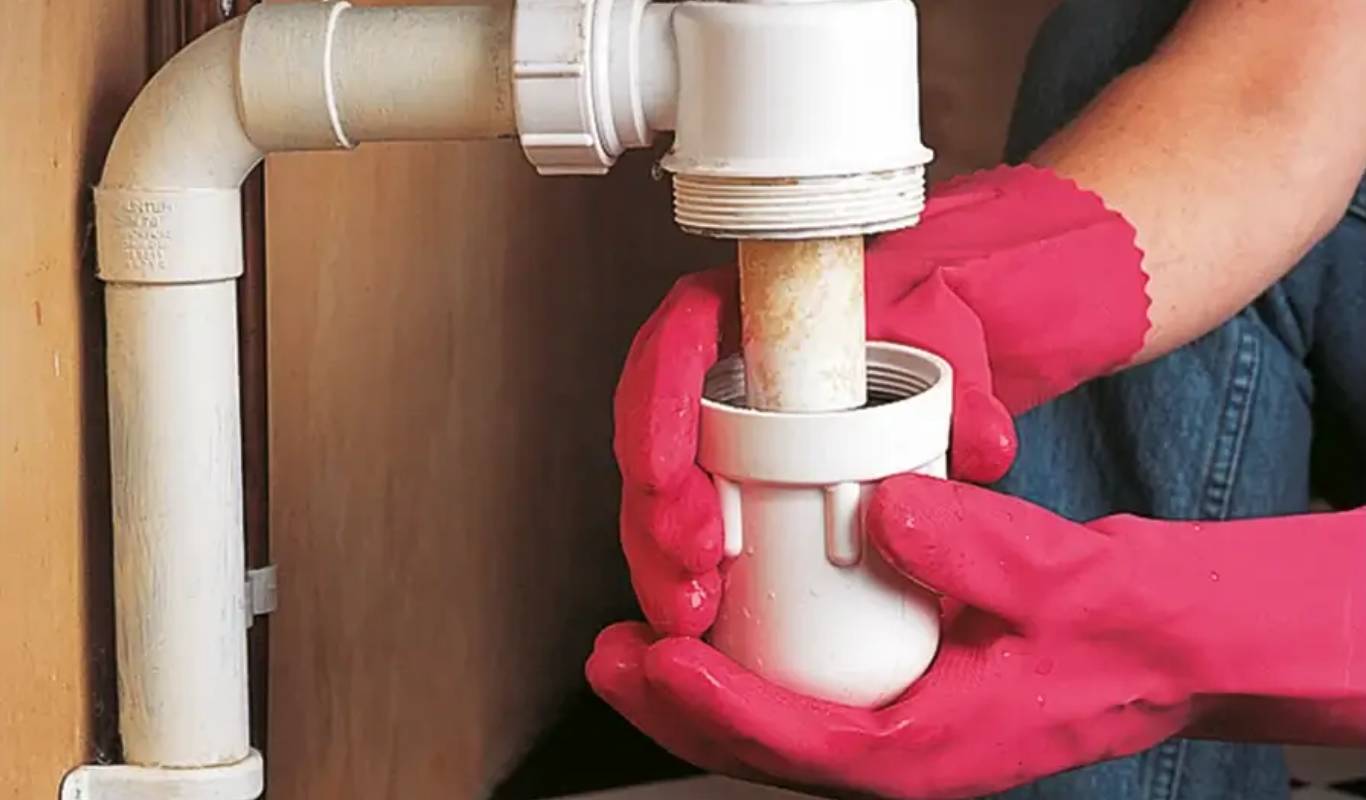
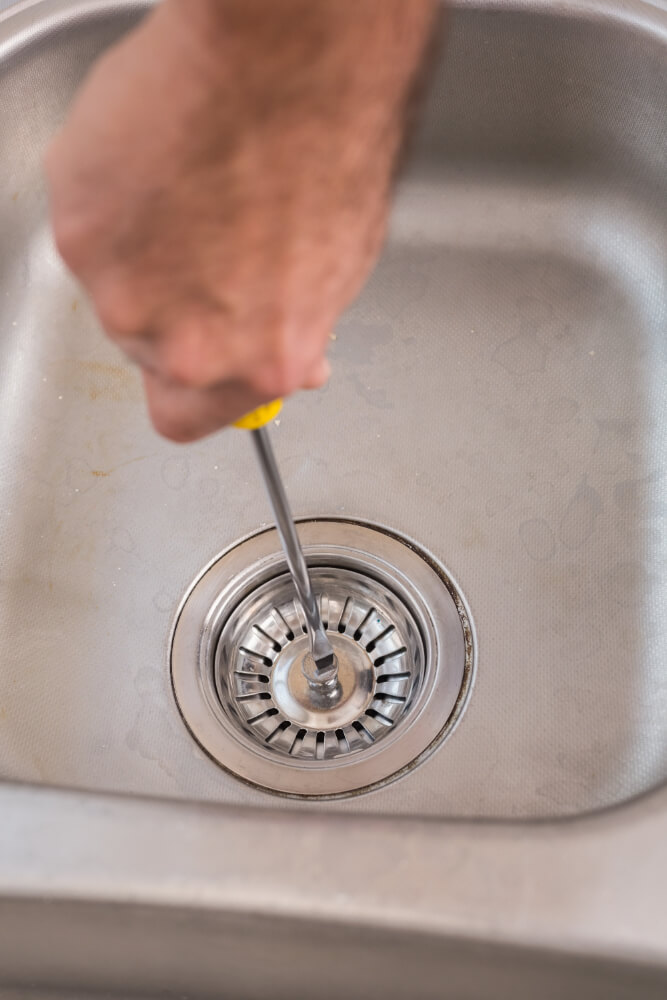
For mild clogs, simple household remedies may help. Pouring boiling water can dissolve grease build-up in pipes, while using a baking soda and vinegar mixture can break down minor obstructions. However, these solutions are temporary and should not replace professional maintenance for serious problems.
Hiring a Professional
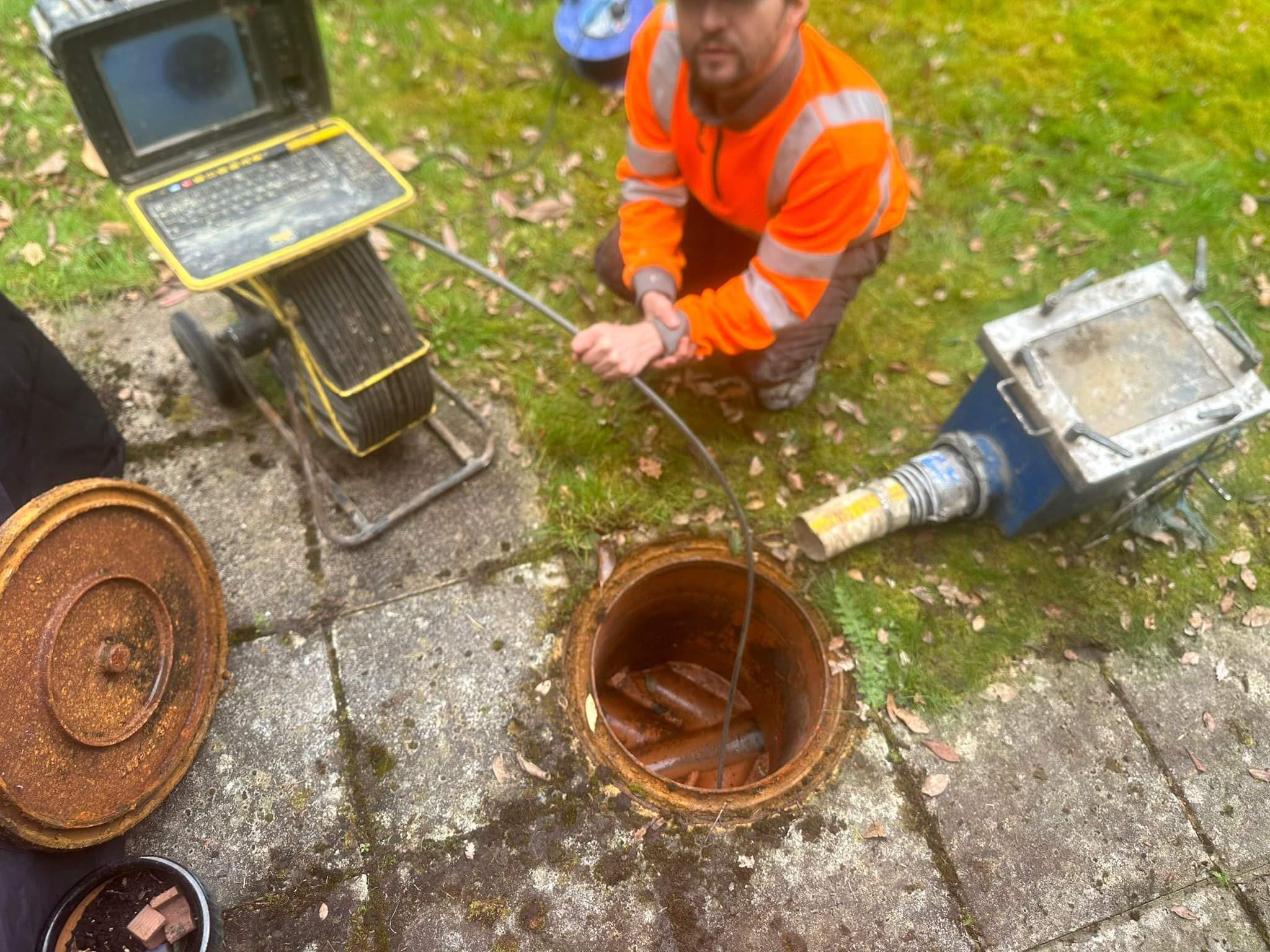
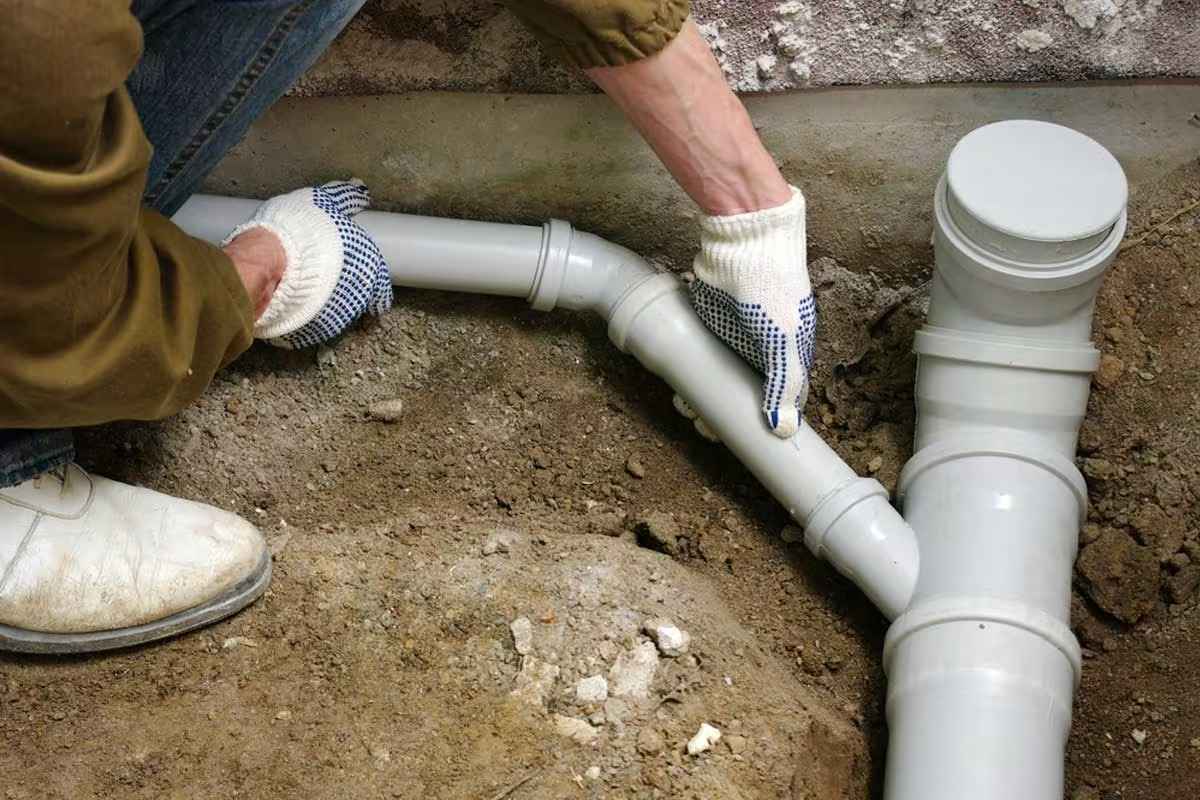
When the septic tank is severely clogged or full, hiring a professional is the safest and most effective option. Experts use specialised tools to pump out sludge, clear blockages, inspect the system, and restore proper function. Although it may cost more, professional cleaning prevents long-term damage and ensures reliable operation.
Why Maintenance is Important for a Septic Tank?
A septic tank is important for treating wastewater from your home. It separates solid waste from liquid, with the solids settling to the bottom, forming sludge. Too much sludge can hinder its proper functioning.
Failure of the septic tank can cause many problems, including foul odours, slow drainage, and serious property damage. Maintaining the septic tank cleanliness can save you from costly issues.
How Often Should You Empty Your Septic Tank?
You should pump your septic tank every 3 to 5 years, although the exact timing may vary depending on household size, water usage, and tank capacity. A larger family will need more frequent pumping, while a smaller family might be able to wait longer. It is also advisable to have the tank inspected more often, generally every 1 to 3 years, especially for systems with mechanical parts.
Factors that influence pumping frequency
- Household size: More people produce more wastewater, so larger households need more frequent pumping.
- Water usage: Higher water use from frequent showers, laundry, or appliances requires more regular pumping.
- Tank size: Larger tanks can store more waste before requiring emptying compared to smaller tanks.
- What you flush: Flushing items like wipes or excess toilet paper can reduce the time between pumpings.
Conclusion
A septic tank is a vital part of your home’s wastewater system, and recognising the early signs of clogs or overfilling can save you from major repairs. If you experience foul smells, persistent gurgling, slow drainage, or unusually green patches of lawn above the system, it’s time to take action. Regular maintenance, prompt pumping, and professional inspections keep your septic system operating safely and efficiently for years.
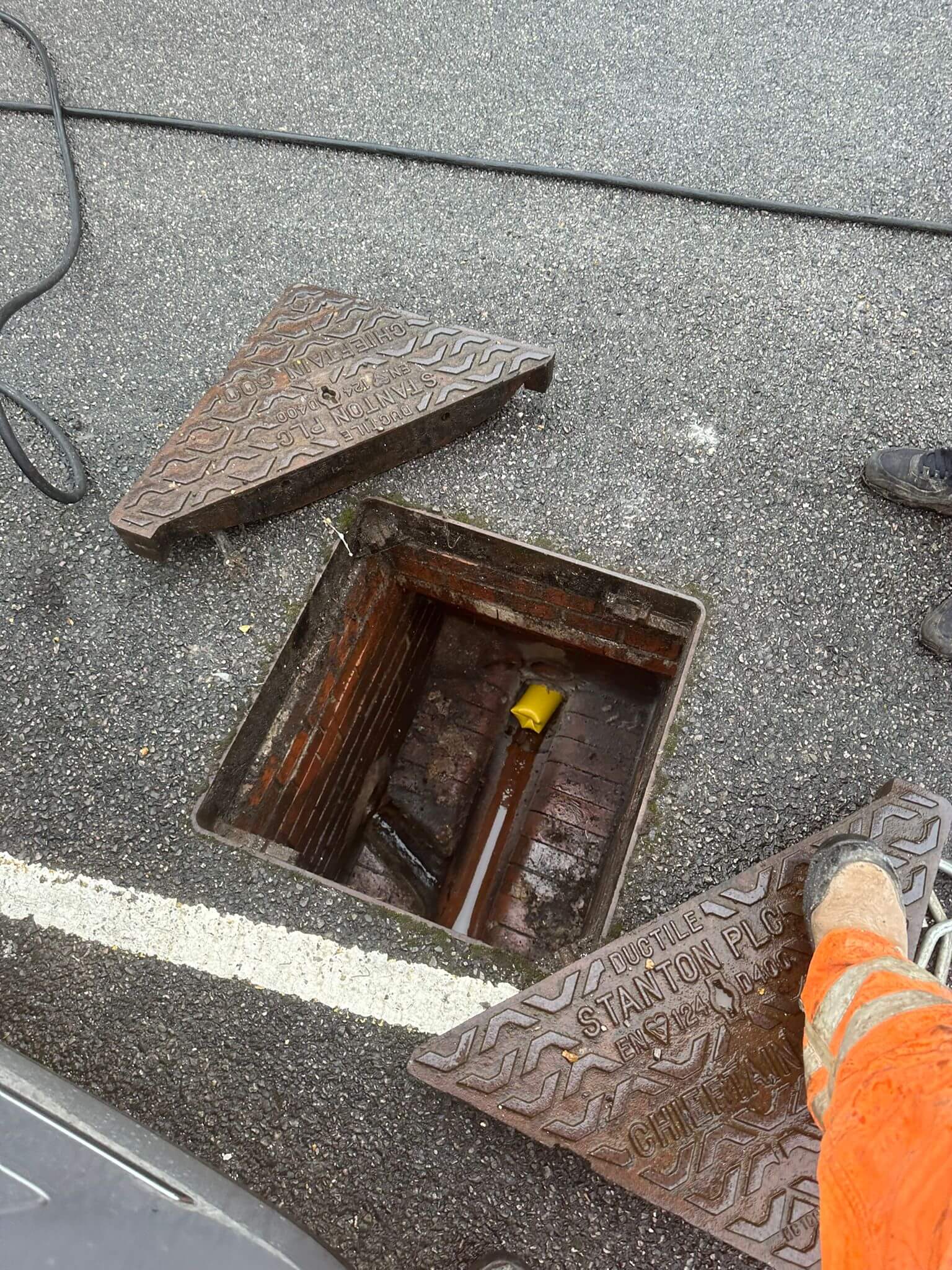
Got questions about septic tank blockages? Reach out to Fast Drains. We have extensive experience working with clients throughout the UK, so resolving blockages is no problem for us.