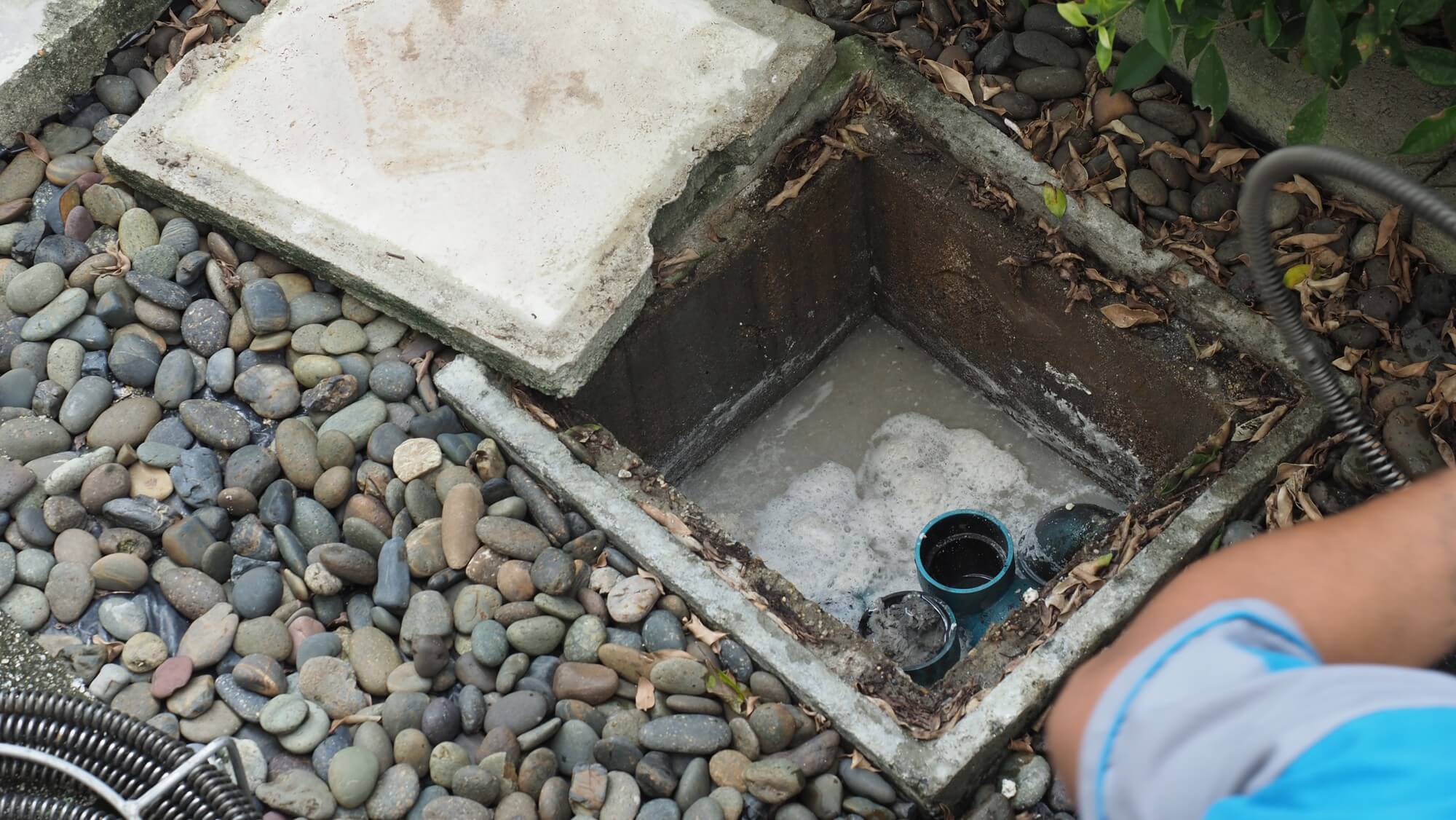
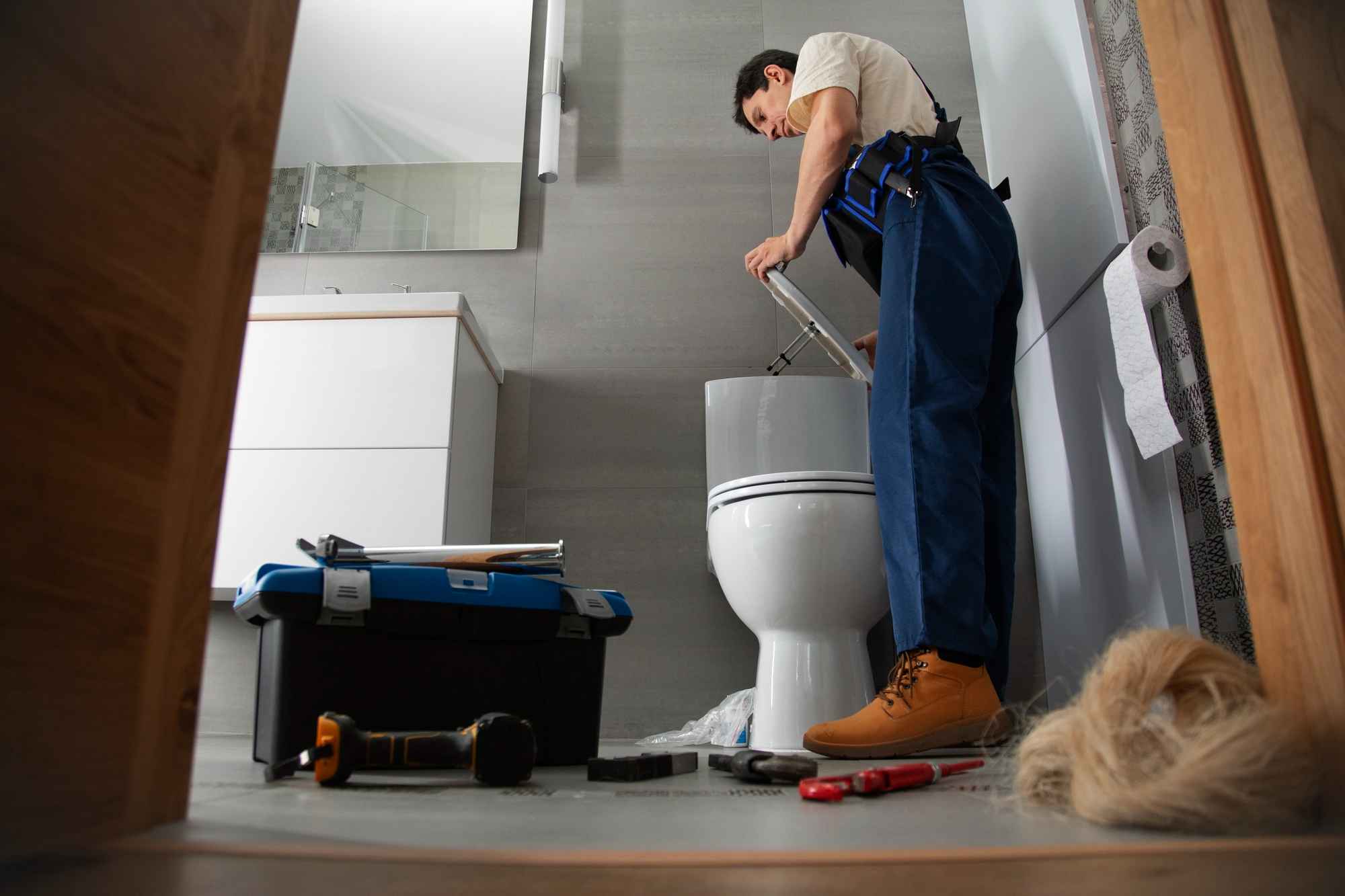
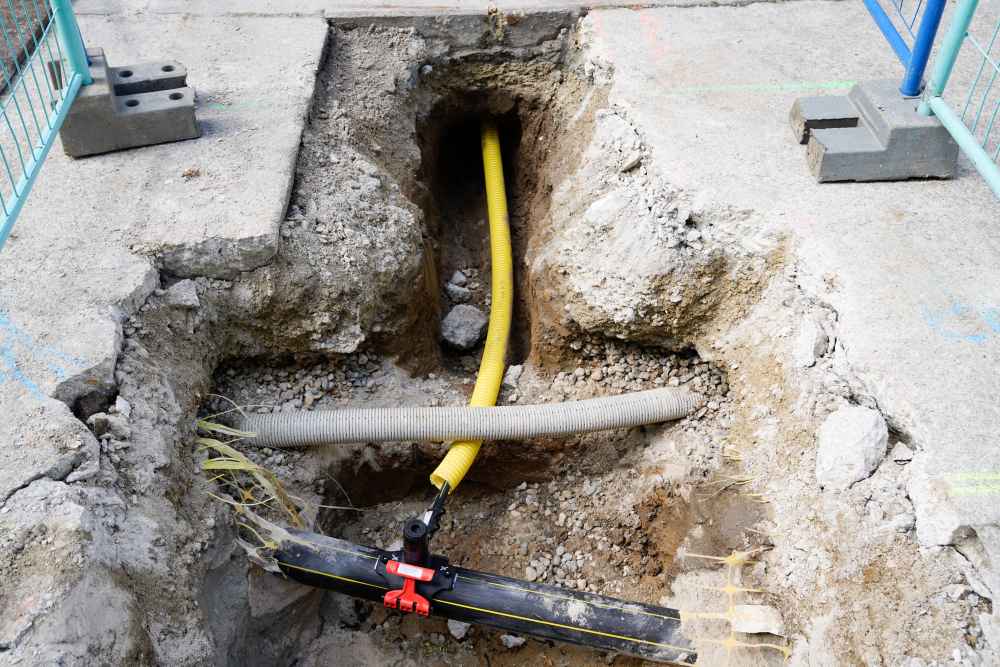
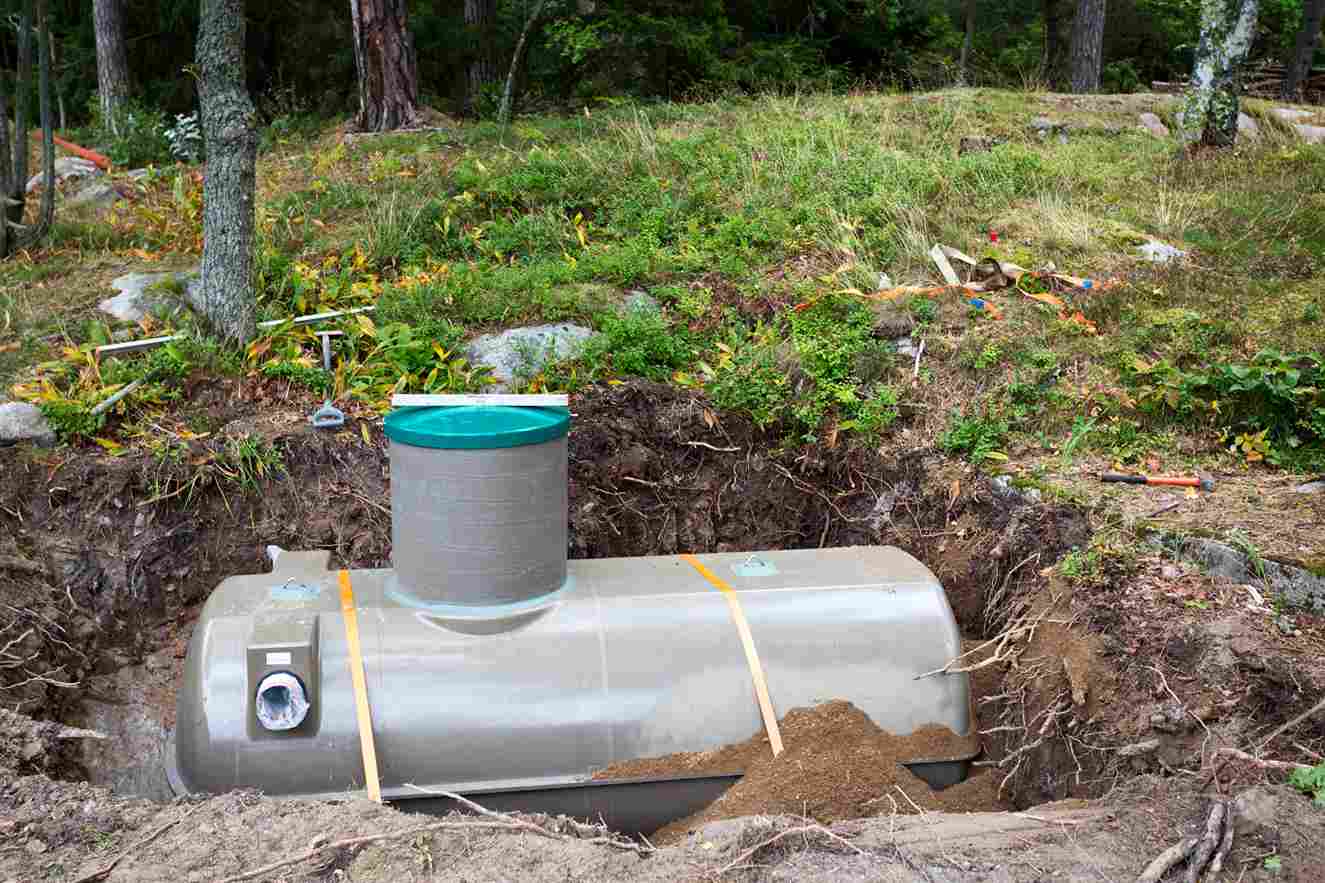
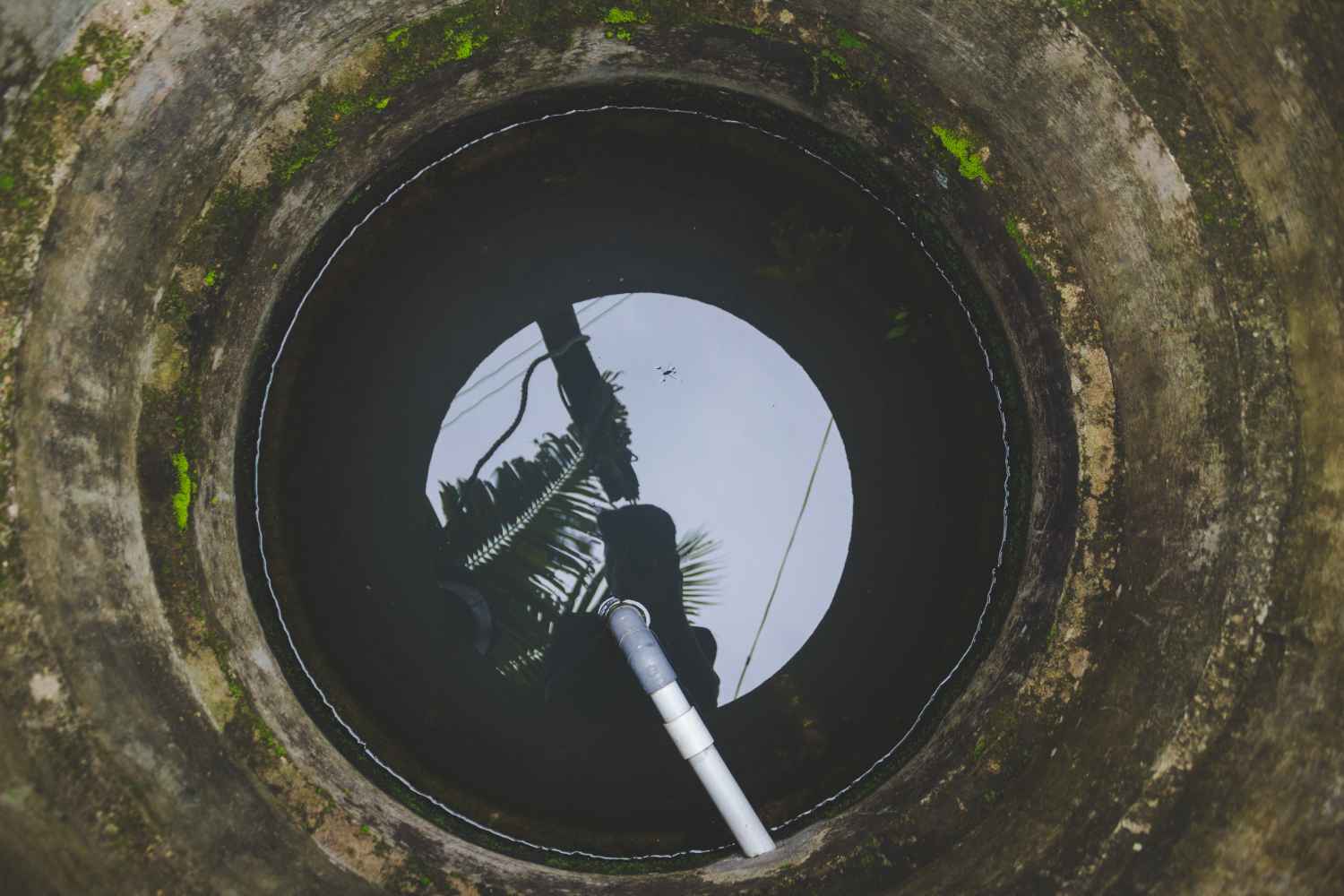
If you have a septic tank, it’s natural to wonder whether bleach is safe to use in your home. Bleach is a strong disinfectant commonly used to clean kitchens, bathrooms, and toilets. But a septic tank depends on living bacteria to break down waste. When harsh chemicals enter the system, they can disrupt the bacteria and affect system performance.
Fortunately, using bleach in small, diluted amounts is generally safe. However, heavy, frequent use can damage your septic system over time. This blog will explain how bleach affects a septic tank, what to avoid, and how to keep your home clean without harming your system.
Understanding How to Use Bleach with A Septic Tank
Using household cleaners and bleach carefully is generally safe for septic systems. The key is to follow some care steps to maintain the health of your entire system and soak pit.
Dilute Strong Cleaners: Always dilute concentrated bleach before flushing it down the drain. This reduces chemical strength and protects the beneficial microorganisms in your tank.
Avoid Solid Extracts: Bleach tablets, gels, and hard blocks do not dissolve properly. They can build up in the tank, clog pipes, and release high chemical concentrations that harm bacteria.
Choose Septic‑Safe Products: Switch to environmentally friendly, septic-safe products. Many products are invented to be eco-friendly and safe for septic systems.
Avoid Antibacterial Products: Many antibacterial products and detergents contain antifungal agents and triclosan. These products can kill the bacteria in your septic tank that are essential for breaking down excess.
Use Cleaning Products Sparingly: Bleach and disinfectants should always be used in small quantities. Overuse disrupts waste breakdown and disrupts the tank’s microbiological balance.
What Cleaning Products are Prohibited?
Avoid introducing certain chemicals into your septic tank, as doing so can seriously damage the system and pose safety risks. Protect your investment and health by being vigilant.
Solvent and Oil-Based Products: Any crude oil, white spirit, or other solvent-based products should never be disposed of down the gutter or into bathrooms. They can block the pipes and harm the septic tank or municipal wastewater system.
Toxic Chemicals: Avoid hazardous chemicals such as ammonia and bleach. They can destroy advantageous bacteria in wastewater treatment plants and septic tanks.
Antiseptic Products: You should also avoid products containing chemicals like triclosan, as they can disrupt the natural microbial balance in these systems.
Natural Cleaning Items to Use with Your Septic Tank
Using homemade natural cleaning products is better than commercial products. It’s very easy to make a natural cleaning product from ingredients found in your kitchen. A few products you can use are:
Baking Soda + Vinegar: Use sodium bicarbonate and splash it in your bathroom for 30 minutes. Add more vinegar and use a commode brush to clean.
Baking Soda + Hot Water: Clear the drain with a baking soda and white vinegar mixture.
Vinegar Drain Cleaner: Wash your showers, sinks, and baths with baking soda in hot water. Use white vinegar instead of water to tackle stubborn dyes.
Borax Cleaner: Add half a cup of sodium tetraborate, then mix with water to sanitize and act as an air freshener.
Is Bleach Harmful to a Septic Tank?
Yes, it’s harmful to the septic tank because it kills bacteria. While it’s good for bathroom cleaning, where you want to kill bacteria, it’s not good for your septic system. Since you wish those bacteria to break down the sludge and waste in your septic tank, they are essential; without them, the dirt would keep piling up. Too much bleach can cause:
- Bad odors
- Slower waste decomposition
- Frequent tank pumping
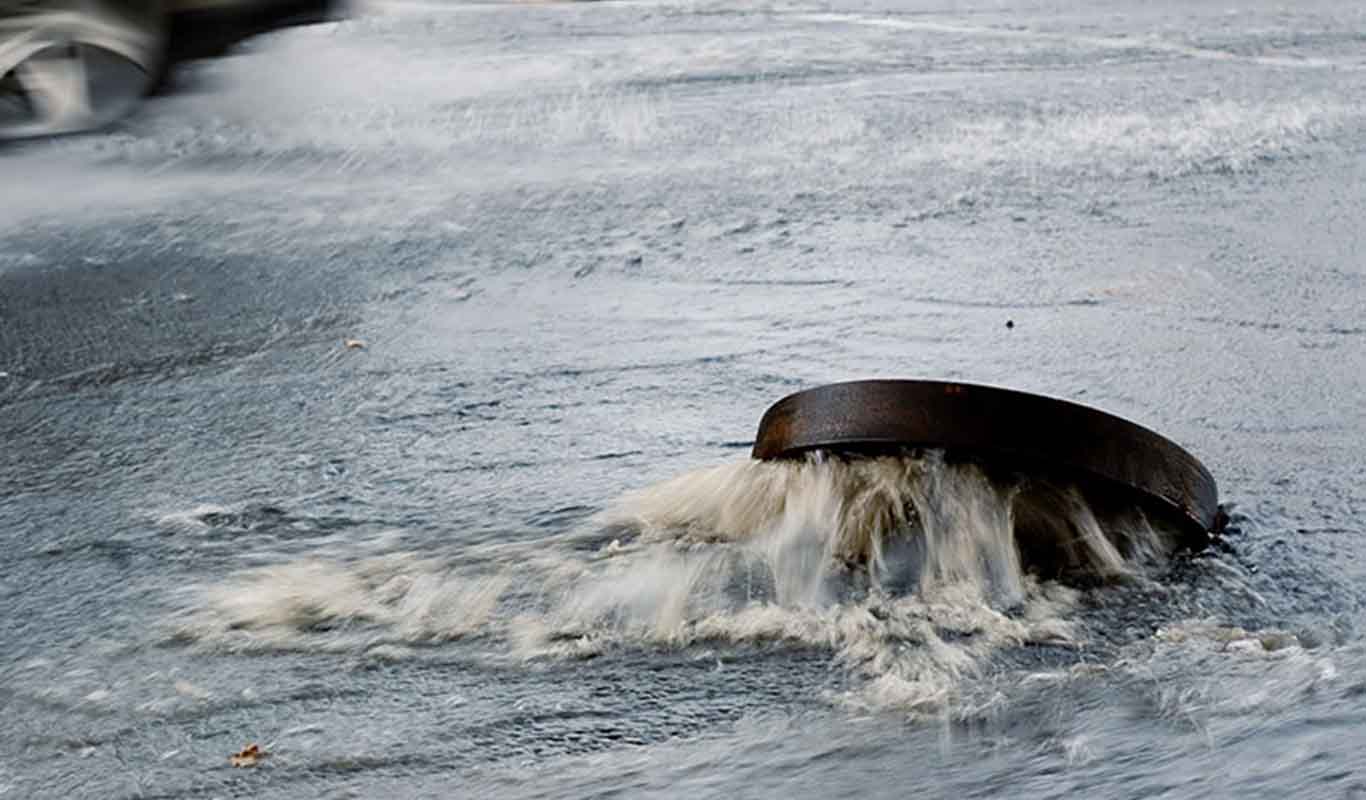
- Potential overflow issues
- Poor drainage performance
Fortunately, you don’t panic; there are sterile bleach options that work just as well without risking your system.
Tips for Protecting Your Septic Tank
Apart from the cleaning item, various other items should not enter your septic tank. To keep your septic tank working efficiently, avoid flushing the following:
- Car oil, fuel, paint, or paint thinners
- Weed killers or pesticides
- Chemical‑based cleaning agents
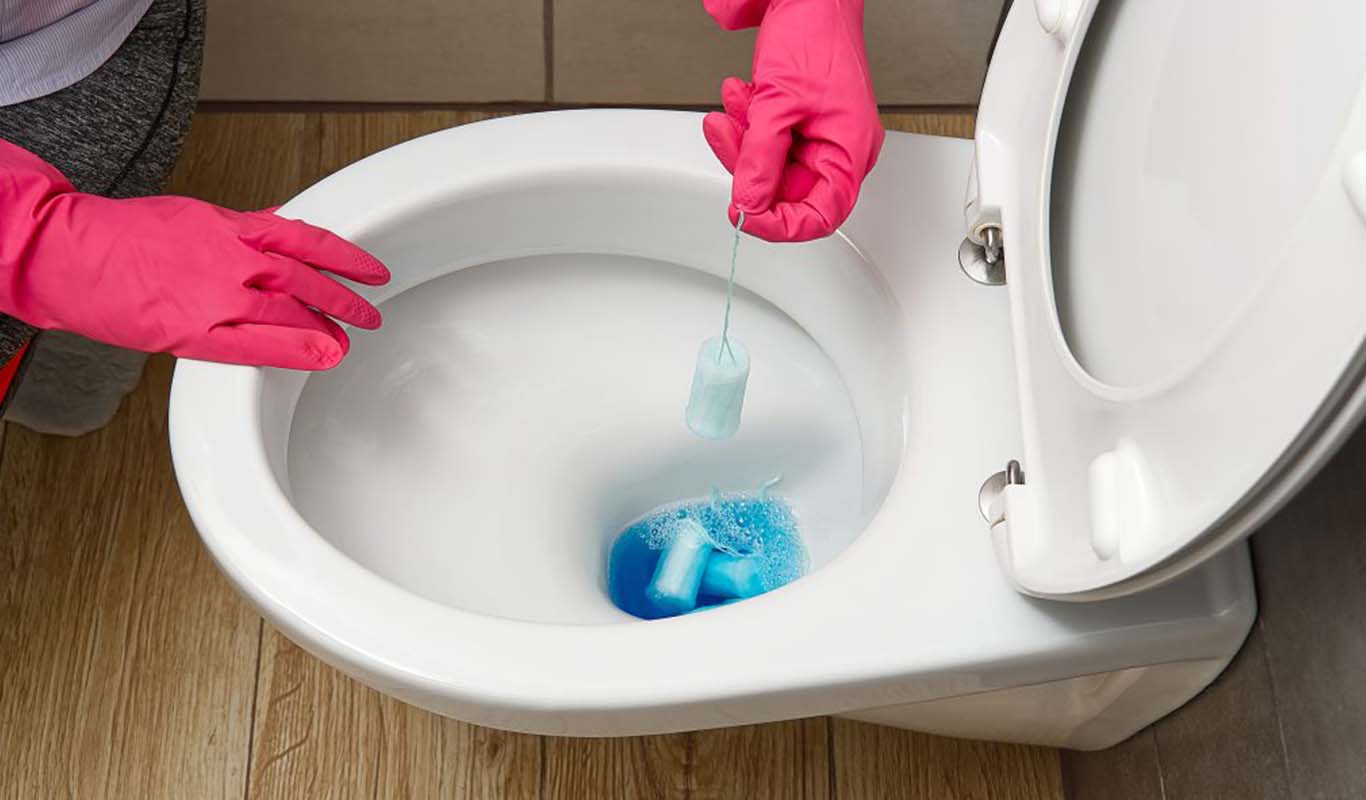
- Sanitary products, diapers, or wipes
- Industrial‑strength bleaches
- Automotive service liquids
These items can poison bacteria, damage pipes, and shorten your system’s lifespan. Now you should know which item is suitable for cleaning and which isn’t. You are fully trained to maintain your septic system and keep it working properly.
Conclusion
Using bleach in a septic tank is not strictly prohibited — but it must be used wisely. Moderation, dilution, and choosing septic‑safe products are essential to protecting the beneficial bacteria in your tank. By avoiding harsh chemicals and adopting natural cleaning alternatives, you keep your septic system healthy, efficient, and long‑lasting. Fast Drains is here to help you maintain your system with expert guidance and reliable drainage support.